Sourdough Lingo You Don’t Need: Simple Words Instead of ‘Autolyse’ and ‘Crumb’
Why do sourdough bakers use so much jargon, and what simple substitutions can I use?
On this page
Think you need a translator to bake sourdough? Let’s demystify the fancy talk so you can focus on flour, water, and starter.
The Jargon Trap: Why Sourdough Language Scares New Bakers

Sourdough recipes are packed with words that sound like a foreign language because the terms were originally French baking techniques, but you absolutely don’t need to learn a new vocabulary to bake a beautiful loaf. The real goal is to understand what your dough needs at each stage, not to memorize a glossary.
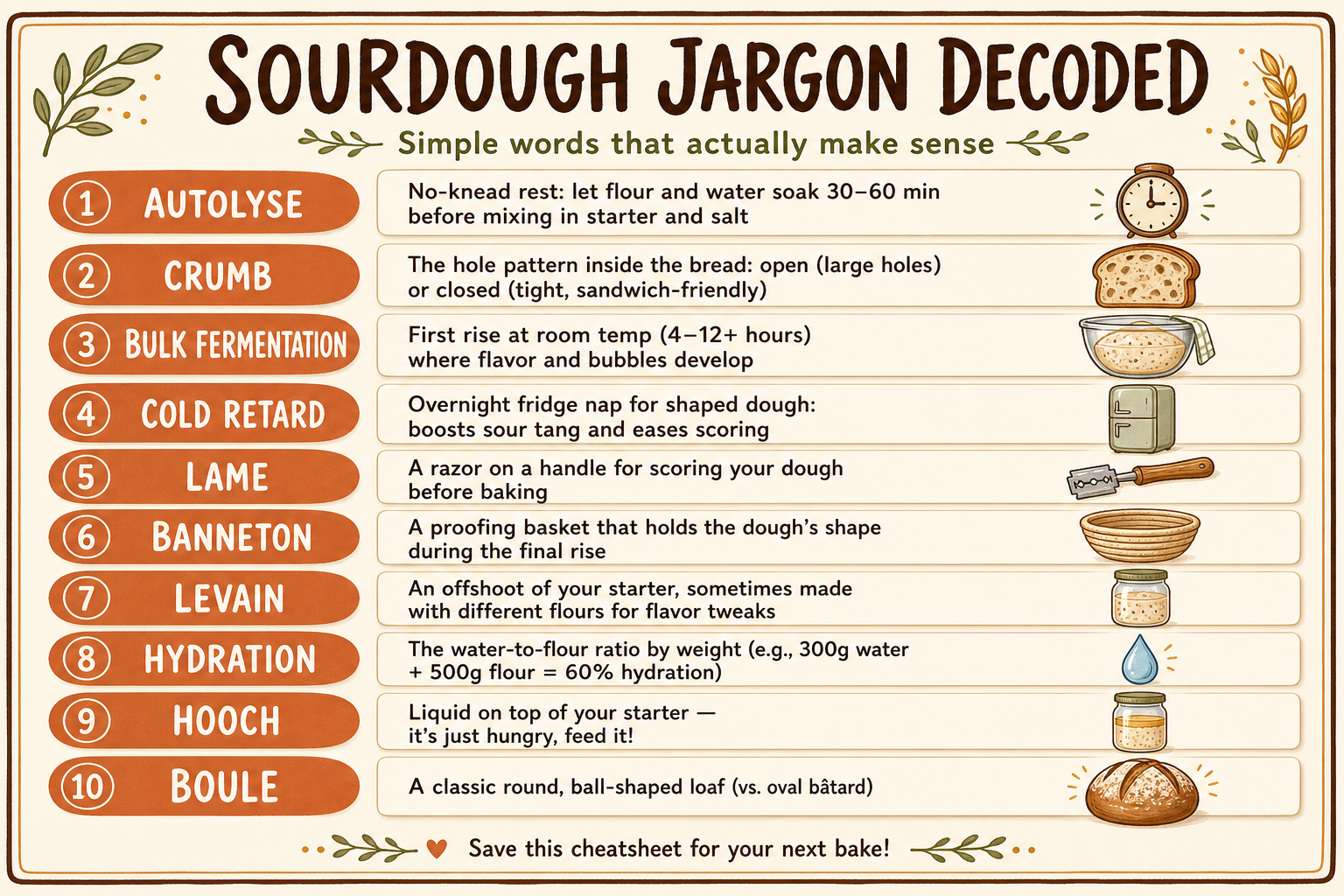
Take “autolyse”—one of the most intimidating words for newcomers. It sounds like a chemistry experiment, but it just means mixing flour and water and letting it rest for 30–60 minutes before adding anything else (Mirlandra's Kitchen). Even within the baking world the definition gets muddled: some modern recipes throw in the starter or even salt and still call it an autolyse. No wonder beginners feel lost. In plain English, it’s simply a rest that lets the flour absorb water fully and relaxes the gluten, so your dough is easier to handle. Once you know that, you can forget the word and focus on how the dough looks and feels. Understanding the process—not the label—is what makes great sourdough.
Decoding the Dictionary: 10 Fancy Words You Can Swap for Plain English
Instead of memorizing a sourdough glossary, just use these everyday translations. The bread won't know the difference.
- Autolyse → flour and water rest. Traditionally, you mix only flour and water and let them hang out for 30–60 minutes before adding salt or starter (Mirlandra's Kitchen). Some recipes throw the starter in for this step too—it's fine either way, so don't overthink it.
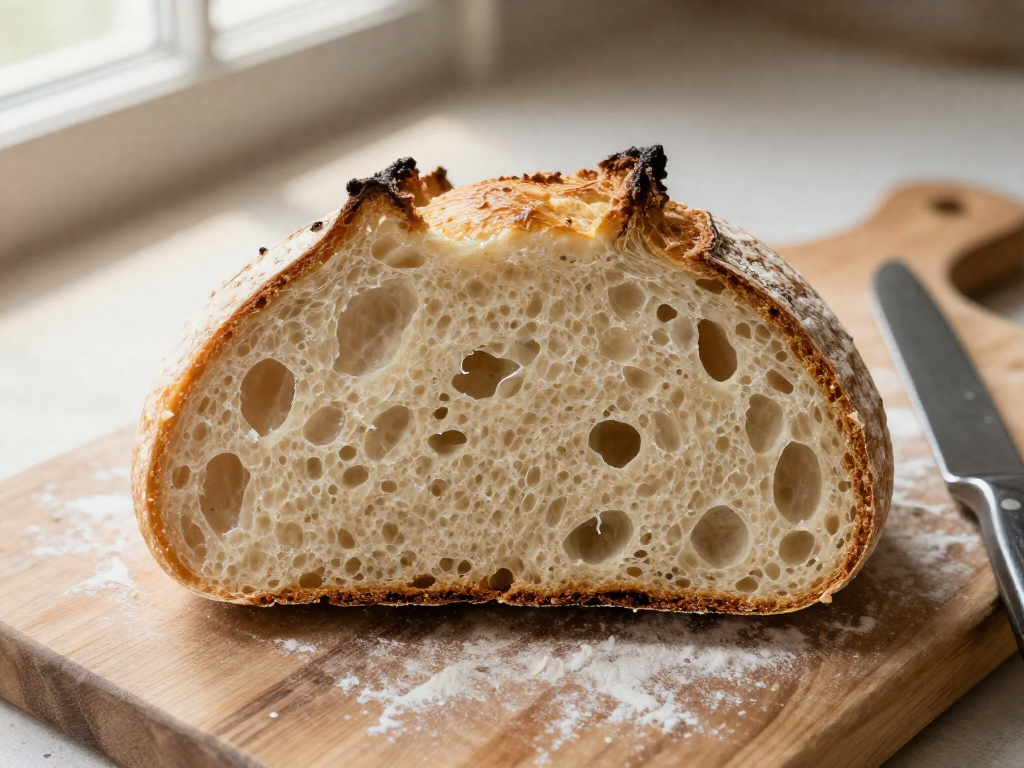
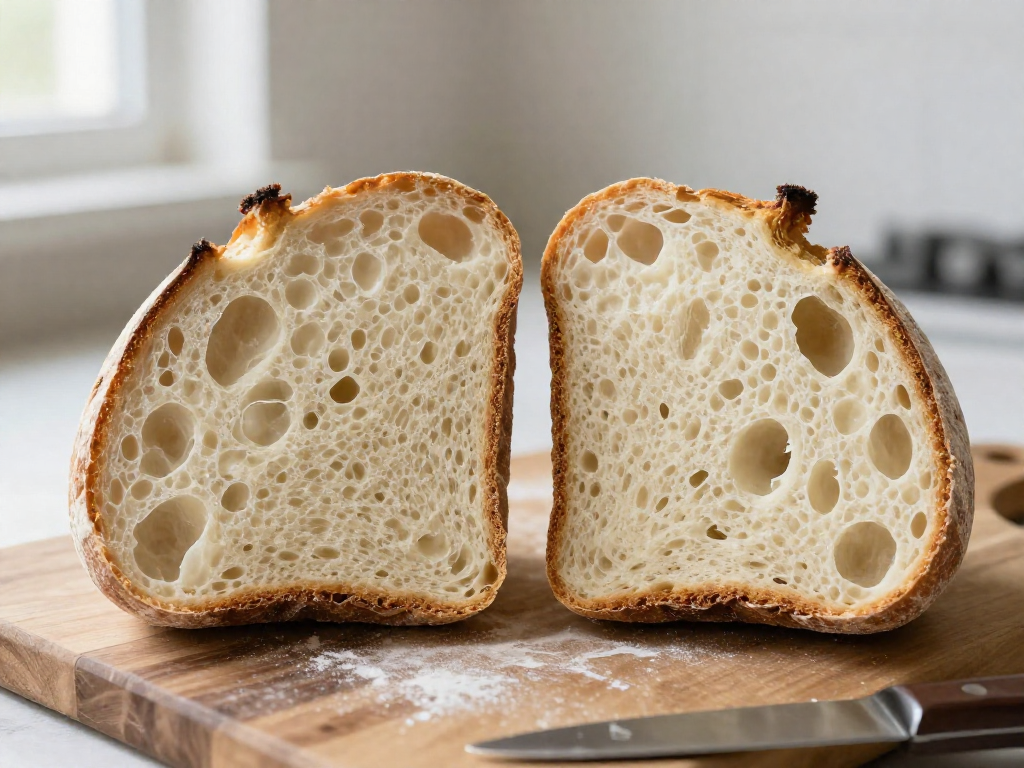
- Crumb → the holes and texture inside the loaf. An "open crumb" means big, irregular holes (think crusty artisan bread); a "closed crumb" means small, even holes (like sandwich bread). Both are good, just different.
- Bulk fermentation → the first rise, at room temperature. This is where most of the flavor and gas build up. Depending on your kitchen's warmth and your starter's strength, it can take anywhere from 4 to over 12 hours.
- Cold retard → an overnight fridge rest. After shaping, chilling the dough in the refrigerator slows the yeast but lets the bacteria develop a tangier flavor. It also firms up the dough, making it way easier to score before baking.
- Banneton → a proofing basket. It's just a basket—often lined with cloth—that gives the loaf its shape and those pretty spiral flour lines. A bowl with a floured tea towel works nearly as well.
- Lame → a scoring blade. It's a handle that holds a razor blade for slashing the dough. If you don't have one, a sharp serrated knife or even a clean box cutter blade gets the job done.
- Levain → an offshoot starter. Some bakers build a separate mini-starter with different flours to tweak flavor. You can skip it entirely and just use your regular fed starter—the bread will still be excellent.
- Hydration → water-to-flour ratio by weight. A recipe with 300g water and 500g flour is 60% hydration. Lower hydration dough is easier to handle as a beginner; higher hydration makes wetter, airier loaves. Don't stress about the math—just follow a trusted recipe's weights.
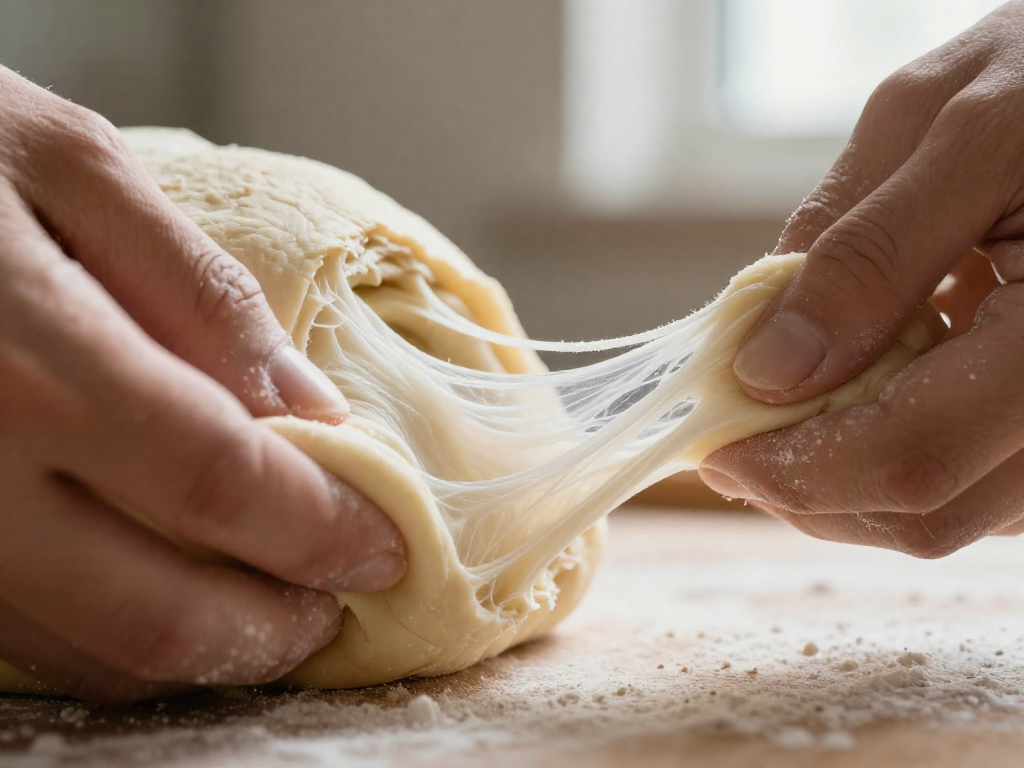
- Stretch and fold → pulling and tucking the dough. Instead of kneading, you reach under one edge of the dough, stretch it upward, and fold it over the top. Rotate the bowl and repeat a few times; this builds structure without any bicep workout.
- Discard → leftover starter before feeding. Don't toss it! Save it in the fridge and fold it into pancake batter, muffin mix, or cracker dough for a tangy, no-waste bonus.
The Terms Worth Keeping: When a Little Jargon Actually Helps
Not all jargon is a barrier. A handful of words earn their keep because they describe a step or an outcome that plain English might fumble. If you just want to bake a loaf, you can absolutely ignore these—but if you ever want to skim a recipe and know exactly what’s happening, here are three terms worth picking up.
Bulk fermentation is the big-deal first rise. It’s more than just waiting for dough to puff up: it’s the phase where you build flavor and strength through gentle stretch-and-folds. The timing can vary wildly—anywhere from 4 to over 12 hours depending on your kitchen (The Clever Carrot).
Hydration is just the ratio of water to flour. You don’t need to calculate percentages, but knowing that 70% and above gives you a wet, sticky dough while 55–65% yields a stiffer, easier-to-handle one helps you anticipate stickiness or adjust a recipe you found online.
Crumb is the pattern of holes inside your bread. An open crumb has those large, irregular pockets that look dramatic; a closed crumb is tight and uniform—perfect for sandwiches that won’t leak butter. It’s a quick shorthand for the texture you’re aiming for, nothing more.
Learn these three and you’ll read any sourdough recipe with a lot more confidence—but remember, people were baking incredible bread long before anyone named these steps.
Stop Reading and Start Baking
Nothing beats getting your hands in the dough. Grab a simple recipe—400g bread flour, 300g water, 80g starter, and 8g salt (Breaducation Academy)—and start mixing. You’ll learn far more by feeling the dough turn from shaggy to smooth than by memorizing a glossary. Expect a few flat, gummy loaves; mistakes teach faster than any article can. The words you actually need will stick when you encounter them in practice.
Sources
- Sourdough for Beginners: The Plain English Glossary of Everything You Need to Know - Mirlandra's Kitchen — mirlandraskitchen.com
- Autolyse - Challenger Breadware — challengerbreadware.com
- Using the autolyse method | King Arthur Baking — kingarthurbaking.com
- Sourdough Baking Glossary - The Clever Carrot — theclevercarrot.com
- Sourdough Bread Terminology – Kim Grant Home — kimgranthome.com
- Instagram — instagram.com
- Sourdough Baking Glossary of Terms — JennyBlogs — jennyblogs.com
- Autolyse: The Most Misunderstood Step in Bread Baking — breaducation.academy
- Lesson Five, Number 8: Autolyse | The Fresh Loaf — thefreshloaf.com
See also
- Simple Beginner Sourdough Recipe: No Fancy Terms Allowed
- How to Feed and Maintain Your Sourdough Starter
- Troubleshooting: Why Is My Sourdough Dense and Gummy?
- The Ultimate Guide to Sourdough Tools (and Cheap Substitutes)
Related articles
Stop Aiming for 'Perfect': Redefining Sourdough Success as a Beginner
Should beginners lower their expectations for a perfect loaf?
Jul 28, 2026 · 4 min read
The Shaping Secret: How Your Technique Affects Oven Spring and Crumb
Discover why shaping is the secret to amazing oven spring and open crumb in sourdough. Learn how surface tension, dough shape, and proper technique can transform your loaves.
Jul 28, 2026 · 10 min read
The Beginner’s Guide to Sourdough Gluten Development: Why Stretch and Folds Work
How does gluten development work in sourdough, and why are stretch and folds so effective for beginners?
Jul 20, 2026 · 9 min read