The Float Test Lie: Why Your Starter Might Be Ready Even If It Sinks
Is the float test a reliable way to tell if my sourdough starter is ready to use?
On this page

You’ve just fed your starter, it’s doubled and bubbly, but when you drop a spoonful in water… it sinks. Panic sets in. Is it ruined? Take a breath: the float test lied to you. Here’s why that so-called “readiness test” is actually the worst way to judge your starter, and what you should look for instead.
The Float Test: A Beginner’s Trap

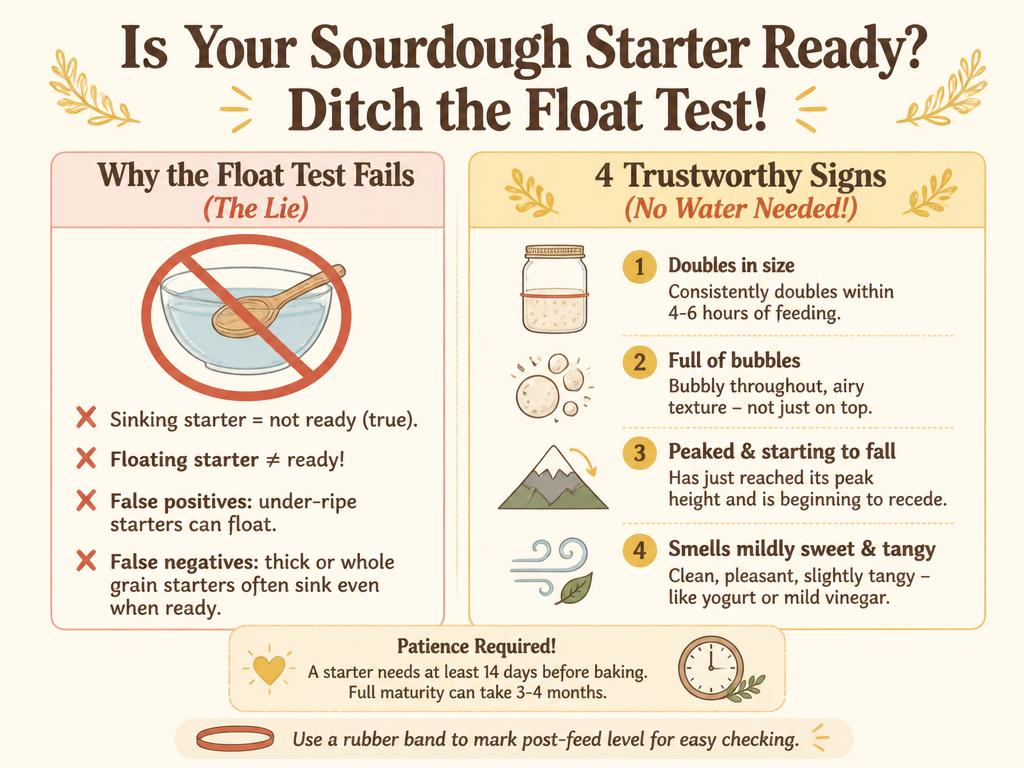
No, the float test is not reliable. The well-meaning advice to drop a spoonful of starter into water and see if it floats often causes more anxiety than clarity. Beginners love the idea of a simple yes/no check, but a sinking starter doesn't mean it's not ready—it might just be a wetter or whole-grain starter that disperses. Meanwhile, under-ripe starters can float just fine.
As King Arthur Baking explains, both partially risen dough and growing starter will float, so the test doesn't reliably signal ripeness.
Instead, look for these signs: your starter doubles within 4 to 6 hours, is full of bubbles, and smells pleasantly tangy. That's the real proof.
Lie #1: Floating Means Ready – The False Positive Problem
When your starter bobs merrily in a glass of water, it’s easy to feel a rush of success—but that little buoyancy trick can fool you. A starter that floats isn’t necessarily ready to bake with; it can just mean enough gas has been trapped to lift a spoonful, even if the microbial community is still too weak to raise an entire loaf. In fact, both under-ripe and over-ripe starters can float, making the test more of a coin toss than a reliable gauge.
Consider how yeast dough behaves: partially risen dough, still hours from being fully proofed, will float in water too. The same holds for a starter that’s only halfway through its feeding cycle—it has produced carbon dioxide bubbles, but the yeast and bacteria haven’t multiplied enough to provide the leavening power you need. As the experts at King Arthur Baking point out, both partially risen yeast dough and growing (but not yet ripe) sourdough starter will float. So floating is no guarantee of readiness.
The situation gets even trickier with very young starters. A starter less than four weeks old can easily pass the float test because it’s gassy, yet it lacks the mature, balanced population of wild yeast and lactic acid bacteria that takes months to develop. Some bakers find their starter floats within the first week, but using it too soon leads to dense, gummy bread. On the flip side, starters fed with whole wheat or rye flour, or those kept at a stiff consistency, may never float even when they’re fully active—so you can get false negatives, too.
Instead of relying on a sink-or-float gamble, watch for a cluster of signs: the starter should at least double in volume within 4 to 6 hours after feeding, show a bubbly, almost mousse-like texture, and give off a pleasantly tangy, not sour-alcohol, scent. These checks give you a much more honest picture of whether your starter is truly strong enough to lift dough. The float test alone is a lie your starter tells—ignore it, and you’ll sidestep one of the most common beginner letdowns.
Lie #2: Sinking Means It’s Dead – The False Negative Surprise
Seeing your starter sink straight to the bottom can feel like a gut punch. The kneejerk reaction is to assume it’s dead and useless. But that assumption often throws out a perfectly ripe starter—especially if you’re using whole grain flours or a thick, low-hydration mix.
The most common false negative comes from whole wheat and rye flours. These grains are heavier and denser than white flour, so even when a starter teems with bubbles and has doubled in the jar, it may never float. You Knead Sourdough confirms that starters made with whole wheat or rye often won’t pass the float test, even at peak fermentation. Thick starters—those fed at a lower hydration, say around 80%—also tend to be too dense to bob on the surface. If your spoonful feels like a stiff, stretchy dough rather than a pourable batter, a sink is expected, not a failure.
On the flip side, a runny, high-hydration starter (100% or more water) can also give a false negative, but for a different reason. Instead of holding together as a cohesive lump, it disperses in the water, scattering its air bubbles before they have a chance to lift it. The result looks like a failed test, but the starter might be fully active and bubbly in its jar.
There’s another trap: water eventually seeps into air pockets and pulls any floating starter down. Video tests show that after a minute or two, even a vigorously active blob will sink as the water infiltrates its bubble network. So a split-second dip isn’t a verdict—it’s just physics.
Contrast this with yeast dough, where a sinking piece genuinely means the dough hasn’t risen enough and the yeast hasn’t produced sufficient gas. Sourdough starter, however, doesn’t follow that rule. A sinking starter can be fully risen, ready, and potent. Holding out for the float can cost you the perfect baking window, leaving you with a deflated, over-ripe culture instead.
Trust your eyes, not the water. Look for a doubling in volume, a domed top, and a network of fine bubbles throughout. If you see those signs, your starter is ready—regardless of whether it floats or sinks.
How to Really Know Your Starter Is Ready (Without Water)
The single most reliable sign your starter is ready to leaven bread is consistent, vigorous doubling in volume within a predictable window after feeding. Ideally, after a feeding at typical room temperature (around 70°F / 21°C), you want to see it double in 4 to 6 hours. Don't guess at the expansion—slip a rubber band or piece of tape around the jar right after feeding to mark the starting level so you can see exactly how much it's risen at a glance (Growing Dawn).
Beyond just doubling, you're looking for a structure that's full of life. A ripe starter will be riddled with bubbles throughout—not just a few on top. Tilt the jar; the interior should look airy and web-like, almost like a sponge. If your starter rises but still looks dense and paste-like, it's not there yet.
Timing matters as much as volume. The starter should just reach its highest point, a domed peak that's starting to flatten or very slightly fall back in the jar. That's your baking sweet spot. If it's still climbing rapidly, give it more time; if it's fully collapsed, you've missed the window and it will need another feeding.
Finally, trust your nose. A perfectly ripe starter smells pleasantly tangy, with a mild milky sweetness—some describe it as a yogurt-like or subtly fruity aroma. If you catch sharp, vinegary notes or a harsh, acetone-like scent (like nail polish remover), the starter is over-fermented and hungry. That sharpness won't ruin your bread, but you'll get better flavor and rise if you feed it again and wait for that sweet, mellow note.
These four signs—consistent doubling, bubbly texture, peaking dome, and sweet aroma—tell you everything you need to know. Use them together, and you'll never need to drop another spoonful of starter into a glass of water.
The Age Factor: Why a 2-Week-Old Starter Might Still Fail You
A frothy, bubbly starter can fool you. Even when a young culture passes the float test, its yeast and bacteria may not yet be stable enough to raise a loaf. A starter under two weeks old is rarely strong enough, no matter how active it looks (Amy Bakes Bread).
Between two and four weeks, you might see consistent rising, but the community of wild yeasts and acids is still settling in. Many bakers find that a starter can double on schedule yet produce dense, flat bread because it lacks the enduring lift that comes only with age. Full maturity often takes three to four months of regular feedings.
Keep discarding and feeding daily. Mark the jar with a rubber band after feeding so you can track expansion honestly. The time you invest now builds a starter that will reliably double within four to six hours—and that’s the real sign it’s ready to bake great bread.
So, Should You Ever Use the Float Test?
Some bakers still swear by it, and a starter that floats can be ready—but it’s not a guarantee. Both partially risen dough and a not-yet-ripe starter can fool you by floating (King Arthur Baking). Instead of gambling on a sink-or-swim moment, trust the fuller picture: consistent doubling, a web of bubbles throughout, and that lightly tangy, milky-sweet smell. Over time, your eyes and nose will tell you more than a bowl of water ever could.
Sources
- The float test for yeast dough and sourdough starter | King Arthur Baking — kingarthurbaking.com
- When Is Sourdough Starter Ready to Use? Easy Signs to Look For - Amy Bakes Bread — amybakesbread.com
- Sourdough Float Test: How To Tell If Your Starter Is Ready · Growing Dawn — growingdawn.com
- How Do You Know When Your Sourdough Starter Is Ready To Bake With? - The Pantry Mama — pantrymama.com
- Is the Sourdough Float Test Reliable? – You Knead Sourdough — youkneadsourdough.com.au
- Is Your Sourdough Starter Ready? Here's How to Know. #sourdoughstarter #sourdoughdiscard — youtube.com
- How do I know when my sourdough starter is ready? — virtuousbread.com
FAQ
Can I still use the float test occasionally if my starter always passes it?
You can still use the float test for fun, but don’t rely on it. A floating starter doesn’t guarantee it’s ready because even under-ripe starters can float. Instead, look for consistent doubling within 4 to 6 hours, loads of bubbles, and a mild, tangy smell.
What if my starter never passes the float test, even though it doubles?
If your starter reliably doubles in size, is bubbly, and smells pleasantly tangy, it’s ready even if it sinks in water. The float test often gives false negatives, especially with whole grain flours, very thick starters, or high hydration starters. Rely on volume increase and aroma instead.
My starter is only a week old but doubles and floats—can I bake with it?
No, a one-week-old starter is too young to bake with, even if it doubles and floats. Early activity can be misleading—it takes at least 2 weeks for a starter to gain enough strength, and full maturity can take 3 to 4 months. Bake only after it consistently doubles within 4 to 6 hours after feeding and has done so for at least a few weeks.
Does the hydration of my starter affect the float test?
Yes, hydration—the ratio of water to flour by weight—directly affects the float test. A runny, high-hydration starter can disperse in water instead of floating, while very thick starters or those made with whole grains can be too dense to float. Both can be fully ripe and ready to use. The float test isn’t reliable for starters with non-standard consistencies.
See also
- sourdough-starter-troubleshooting-common-problems
- how-to-strengthen-a-weak-sourdough-starter
- why-is-my-sourdough-bread-dense-and-gummy
- sourdough-starter-feeding-schedule-for-beginners
Related articles
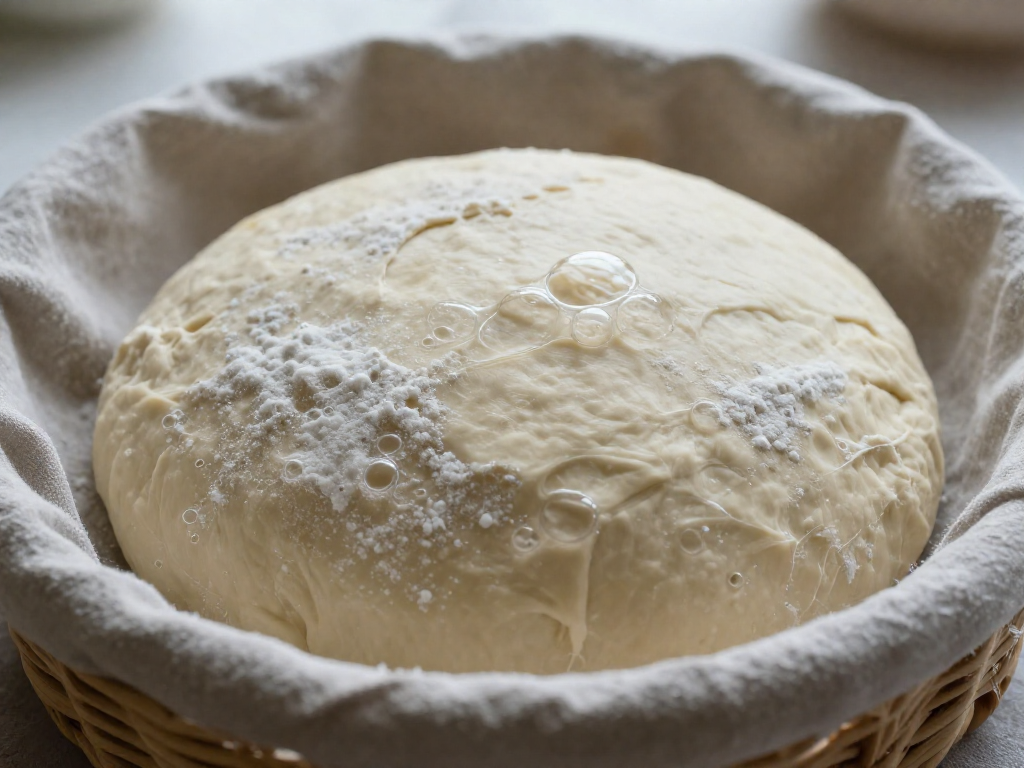
Help! My Sourdough Collapsed When I Turned It Out of the Banneton
Why does my dough deflate when I flip it out of the proofing basket? Quick troubleshooting guide covering over-proofing, weak gluten, and poor shaping, with immediate fixes.
Jul 28, 2026 · 6 min read
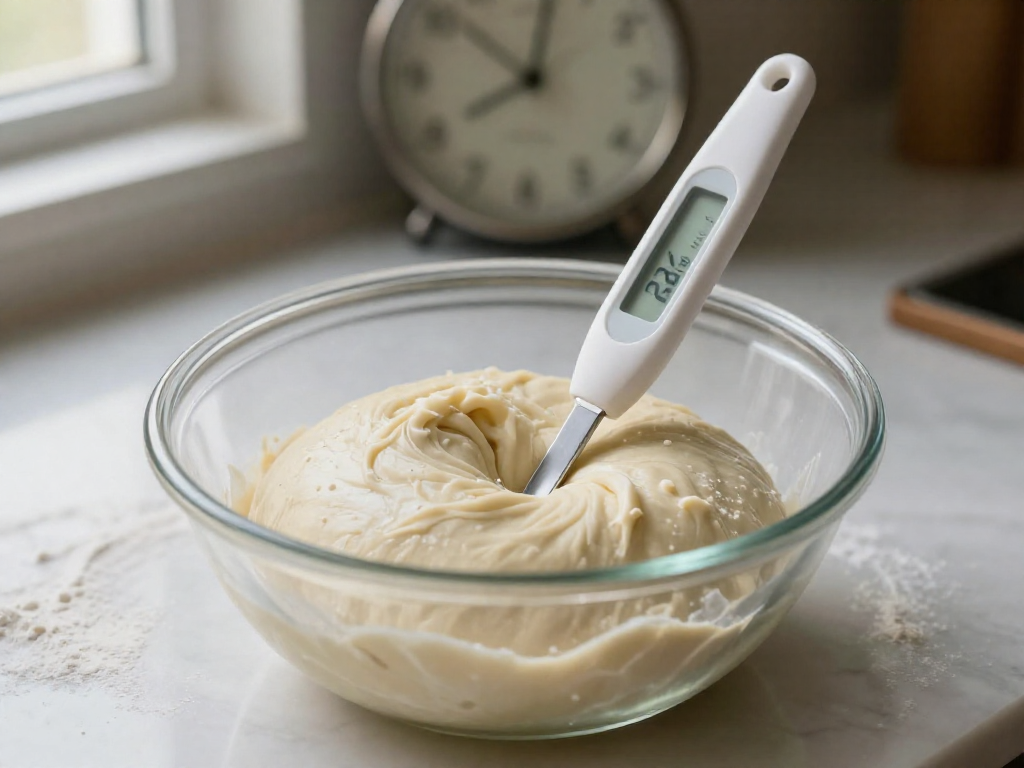
Why Your Sourdough Timeline Is Always Off (and How to Fix It)
Why does my sourdough take longer than recipes say it should?
Jul 28, 2026 · 9 min read
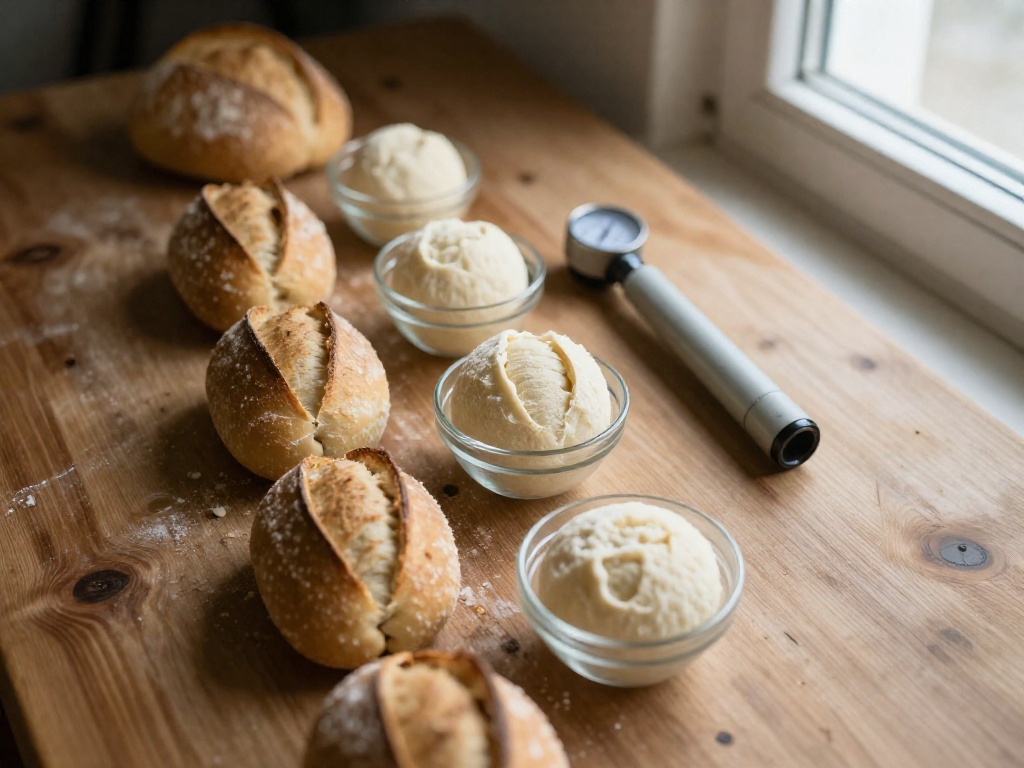
Sourdough in Summer vs. Winter: How to Adjust for Temperature Extremes
How do you adapt your sourdough baking process for very hot or cold weather?
Jul 20, 2026 · 9 min read