Flour Types for Sourdough: A Visual Guide to Protein Content and Results
How do different flours affect sourdough bread, and what do the results look like side by side?
On this page
You’ve nurtured your starter for weeks, followed the recipe to the letter, but your loaf still comes out dense or gummy. The culprit? It’s often the flour. In this visual guide, we baked identical sourdough loaves using five different flours—all-purpose, bread, whole wheat, rye, and 00—so you can see exactly how protein content and flour type change the crumb, crust, and flavor. No more guessing—just side-by-side results to help you pick the perfect flour for your ideal loaf.
What Does Protein Content Really Mean for Sourdough?
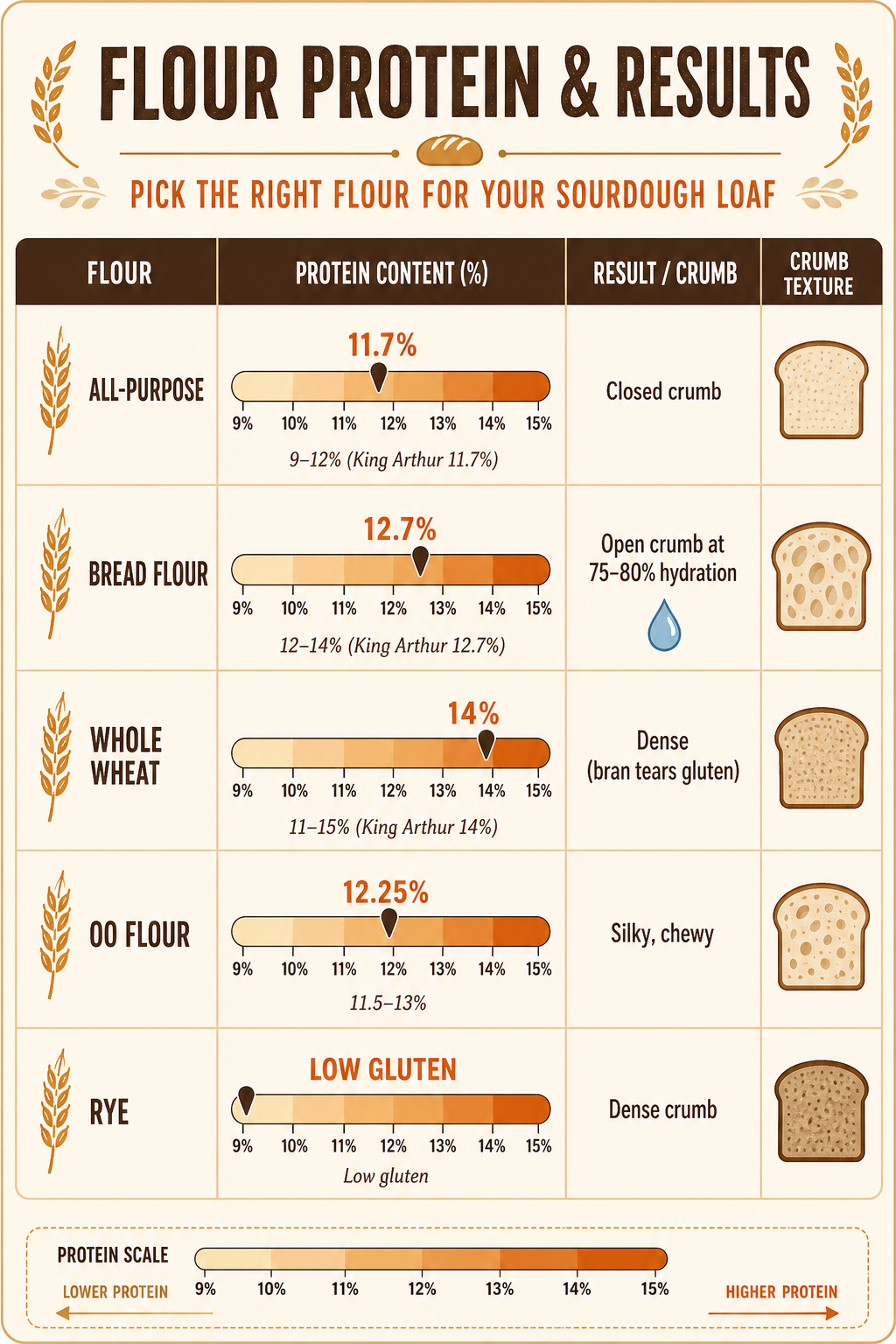
When you look at a bag of flour, that percentage isn't just a number—it's a preview of your dough's strength and your bread's rise. Protein forms gluten when it meets water, and gluten is the elastic web that traps gas, giving sourdough its loft. All-purpose flour sits around 9–12% protein, while bread flour climbs to 12–14%. Even 00 flour, milled extra-fine for pizza, lands at 11.5–13%. Generally, more protein means stronger dough and a taller loaf.
But don’t get tricked by whole wheat’s label. Whole wheat flours often boast 11–15% protein, yet the sharp bran particles shred those gluten strands as they form. As Serious Eats points out, that’s why 100% whole wheat loaves can turn out surprisingly dense. The protein is there, but the bran saboteurs keep it from doing its job.
Hydration—the ratio of water to flour—adds another layer. Higher hydration (think 75% and above) paired with a strong flour coaxes out an airy, open crumb. With a lower-protein all-purpose flour, you’ll want less water to keep the dough manageable, resulting in a tighter, more even texture. In the tests that follow, we baked the same recipe with five popular flours so you can see exactly how protein and bran shape your sourdough—from crust to crumb.
All-Purpose Flour: Soft, Forgiving Loaves
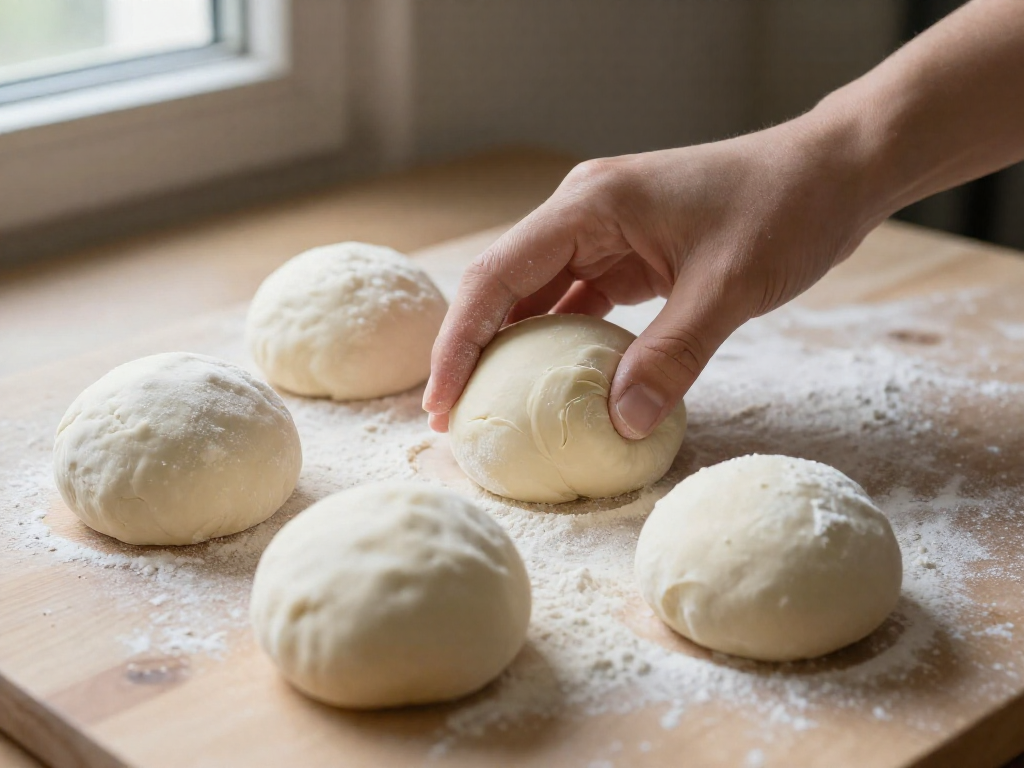
When you're first starting out with sourdough, all-purpose flour is the easiest route to a successful, delicious loaf. It typically contains 9–12% protein, which is lower than bread flour, so it forms less gluten. That means your dough will be softer and more relaxed—no fighting a tight, elastic ball that’s hard to shape. During bulk fermentation, the dough feels silkier and cooperates more willingly during stretch and folds. It’s also more tolerant of common beginner missteps, like over-fermentation or a too-warm kitchen. For a beginner, this forgiving nature is a huge advantage. For a tighter, sandwich-ready crumb, all-purpose flour is your friend (The Sourdough Journey).
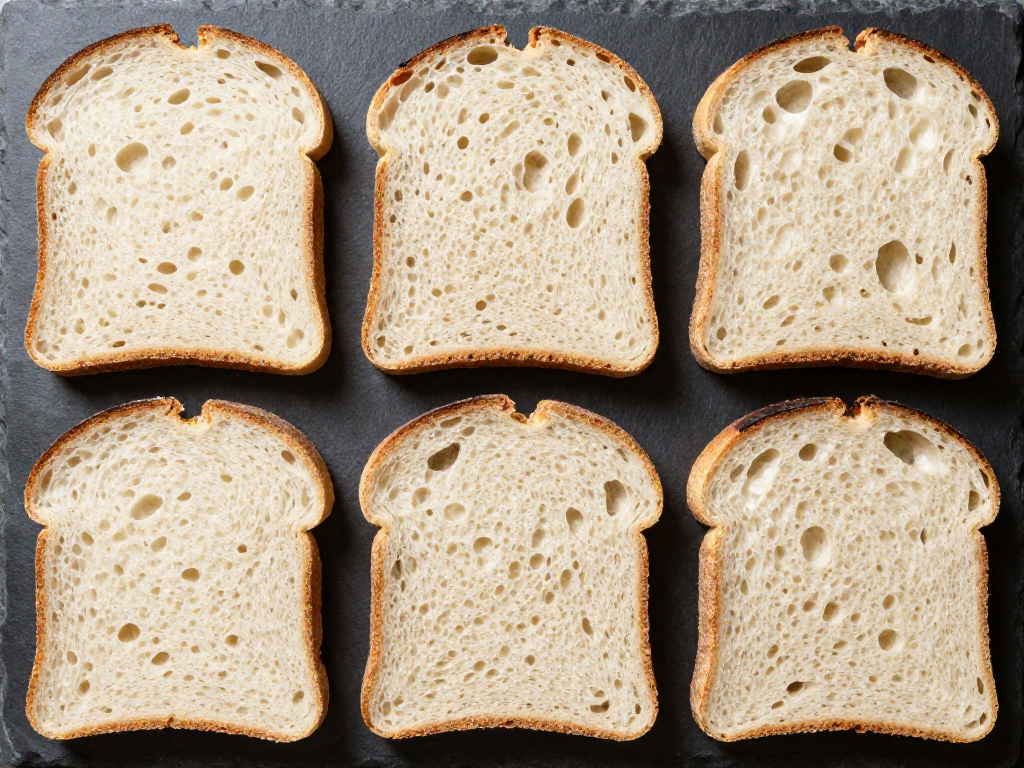
The crumb you’ll get is even and tender, with smaller, more uniform holes rather than the dramatic open network of a high-hydration artisan loaf. The crust bakes up thinner and softer, which makes slices that hold together beautifully for toast or packed lunches. Because the flour itself is mild, the tangy, complex flavor of your starter really gets the spotlight. Visually, your loaf might not reach towering heights—the weaker gluten structure means slightly less oven spring—but what you sacrifice in sky-high rise you gain in everyday usability.
Not all all-purpose flours are identical: King Arthur’s, for instance, weighs in at 11.7% protein, which yields a little more structure and a slightly taller loaf than bargain brands. If you’re using a generic store brand, expect an even more relaxed dough and a softer crumb. So, reach for all-purpose when you want soft dinner rolls, pull-apart buns, or the perfect sandwich bread that doesn’t dump mayo out the holes. Once you’ve built confidence with all-purpose, you can experiment with bread flour for more chew, but starting here sets you up for early wins.
Bread Flour: The High-Rise, Chewy Crust Champion
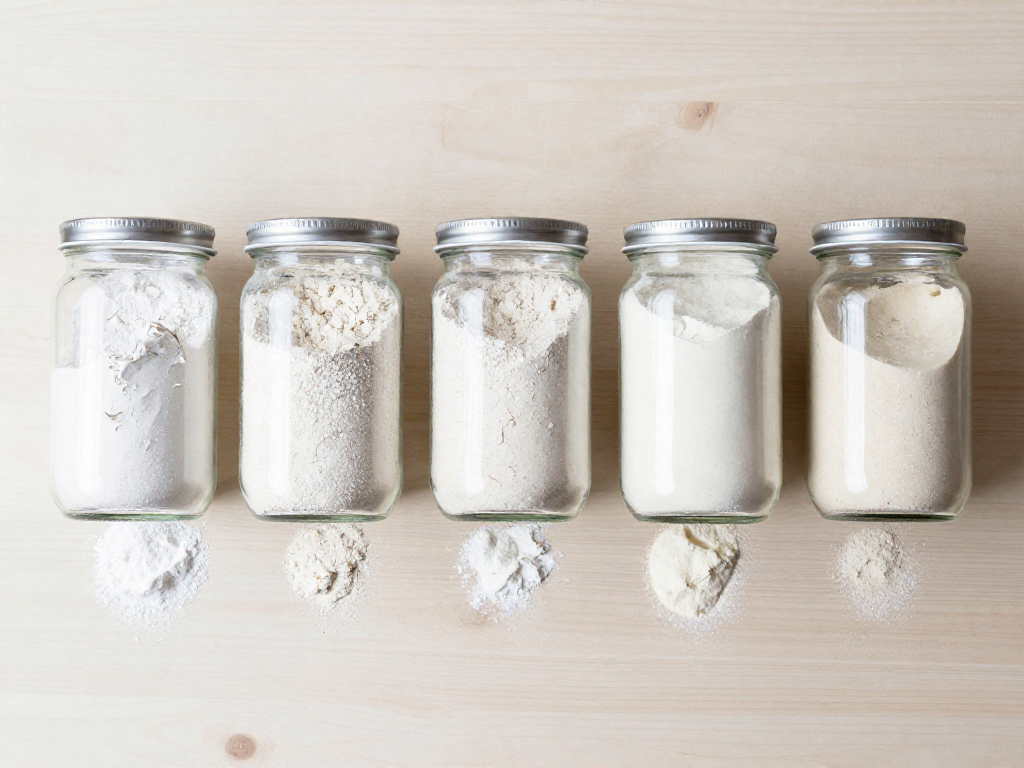
When you want a sourdough loaf that springs tall in the oven, cracks open with a dramatic ear, and slices to reveal a network of glossy, irregular holes, bread flour is your best friend. Its high protein content—typically 12 to 14 percent, with King Arthur bread flour sitting right at 12.7% (The Fresh Loaf)—gives you the gluten strength to handle long fermentation and high hydration without collapsing.
That protein translates directly into gluten, the elastic network that traps gas produced by your starter during bulk fermentation. The stronger that network, the more effectively it holds onto those bubbles, leading to explosive oven spring. When you slash the top of a bread-flour boule and slide it into a hot Dutch oven, you'll watch it rise dramatically in the first 15 minutes. The result is a tall, proud loaf with a deeply colored, blistered crust that crackles as it cools.
Inside, the crumb is what artisan bakers chase: a wild array of large and small holes, glossy and chewy. Bite into a slice and you'll notice the satisfying pull—this bread has real chew, not the soft squish of a sandwich loaf. The flavor leans wheaty and nutty, with enough depth to stand up to long, slow fermentation. In fact, bread flour actually benefits from an extended bulk ferment because its gluten can handle more starter activity, developing complex flavor without losing structure.
When you mix a dough with bread flour, you'll notice it comes together more tightly and feels silkier during stretch and folds. It absorbs more water, so you can push hydration a bit higher to open up the crumb even further. But even at a beginner-friendly 65–70% hydration, you'll get a dramatic rise. During bulk, the dough will puff up significantly and hold its shape through shaping—a safety net for new bakers who worry about sticky puddles.
For most classic artisan recipes—the round boule, the scored batard—bread flour is the go-to. Use it, handle the dough gently to preserve gas at the end of bulk, and shape with confidence. You'll pull a loaf from your oven that looks and tastes like it came from a bakery window.
Whole Wheat Flour: Nutty, Hearty, but Dense
If you’ve ever glanced at a bag of whole wheat flour and thought, “14% protein—this will give me the strongest dough!” you’re not alone. On paper, it looks like a powerhouse. King Arthur’s whole wheat clocks in at 14%, and most brands range from 11–15%. But here’s the twist: protein content doesn’t tell the whole story.
That high protein count gets completely undercut by the very thing that makes whole wheat whole—the bran. Those sharp, fibrous flakes act like tiny knives in your dough, physically slicing through gluten strands as they form. Serious Eats put it plainly: the bran particles tear the gluten network, which is why a 100% whole wheat loaf ends up incredibly dense, no matter how much protein it starts with. The dough might feel strong at first, but it loses gas-holding power fast.
Visually, expect a squat, compact loaf with a tight crumb and small, even holes. The crust bakes up dramatically darker—think deep mahogany—and the flavor is nutty, earthy, with a whisper of sweetness. It’s delicious, but if you’re after those airy, open crumbs you see on social media, pure whole wheat won’t get you there.
Don’t give up on whole wheat entirely. The fix is blending. Use 30–50% whole wheat flour and pair it with a strong bread flour (12.7% or higher) to bring back the volume. You’ll keep all that warm, hearty flavor while dodging the brick-like density. A 50/50 mix is my go-to for a loaf that actually rises like it means it.
Rye Flour: Intensely Earthy, Very Dense
Rye flour is in a league of its own when it comes to sourdough. It contains very little gluten, the protein network that traps gas and gives bread its rise. Without that structure, a 100% rye loaf barely lifts in the oven. What you get instead is a brick-like, gummy crumb that feels like eating a damp sponge. As The Sourdough Journey explains, low-gluten flours like rye are a reliable cause of a dense crumb.
Visually, a high-rye loaf is unmistakable: squat, almost flat, with a dark, crackled crust and a slice that shows a tight, cakey interior with no big holes. But that’s not necessarily a failure—it’s just how rye works. The flavor, however, is something special. Rye brings an earthy, slightly sour depth that wheat flours can’t match.
For beginners, the practical move is to use rye as an accent, not the main flour. A blend of just 10–20% rye flour with a strong bread flour (12–14% protein) gives you that signature tang and rustic crust without ruining the loaf’s structure. Your bread will still rise well and have a decent crumb, just a touch tighter than an all-white loaf. Keep 100% rye breads for later, when you’re ready to handle a completely different kind of dough.
00 Flour: Silky Texture, Italian-Style Crumb
00 flour (Doppio Zero) is ultra-finely ground, giving baked goods a delicate, almost pillowy crumb. With a protein content of 11.5–13% (Serious Eats), it has enough strength for structure, but the tiny particle size means it absorbs water differently. The result? A soft, silky crumb with small, even holes and a thin, tender crust—very different from the crackly shell you get with bread flour. There’s a bit of chewiness too, making it ideal for Italian pizza and pasta. For sourdough, stick to lower hydration doughs and shorten the bulk fermentation: the fine grind speeds things up, and over-proofing can collapse the loaf. Best for: soft dinner rolls, ciabatta, focaccia—any bread where you want a creamy-white, cloud-soft interior.
How to Match Flour to Your Dream Loaf
You’ve got the flour facts—now let’s turn them into the loaf you actually want. The trick isn’t picking the “best” flour. It’s pairing your flour (or flour blend) with the right hydration and knowing what crumb and crust to expect.
Here are four classic combos that work every time:
| Flour Blend | Typical Hydration | Crumb | Best For |
|---|---|---|---|
| 100% bread flour | 75–80% | Wide-open, irregular holes; tall, airy loaf. | Artisan boules with shatter-crisp crust. |
| 50% all-purpose + 50% bread flour | 65–70% | Soft, even, moderately tight. | Sandwich loaves and toast bread. |
| 30% whole wheat + 70% bread flour | 70–75% | Medium openness with a tender-but-substantial chew. | Everyday bread with nutty depth and better keeping quality. |
| 15% rye + 85% bread flour | 60–65% | Small, even holes; moist, chewy crumb. | Earthy, rustic loaves; perfect with soups and sharp cheeses. |
Why these numbers? Higher protein flours form stronger gluten networks that can trap gas even when the dough is very wet, so pure bread flour shines at high hydration. All-purpose flour, especially brands around 11.7% protein like King Arthur’s, builds a gentler web—add too much water and the dough collapses. Whole wheat and rye bring bran and germ that even high protein can’t overcome alone; the bran physically shears gluten strands (Serious Eats explains how this sabotages loaf volume). That’s why blending them with bread flour gives you flavor without the brick.
But hydration is a living thing—not just a number. Lower-protein flours always want less water. Start on the low end of the range below, then add water a tablespoon at a time if the dough feels stiff. For a sandwich loaf (AP/bread blend), the dough should feel soft and smooth but not sticky. For a high-hydration bread flour boule, expect a shaggy, sticky mass that tightens with stretch and folds. Watch the dough, not the recipe.
Side-by-Side: Real Loaf Photos Across 5 Flours
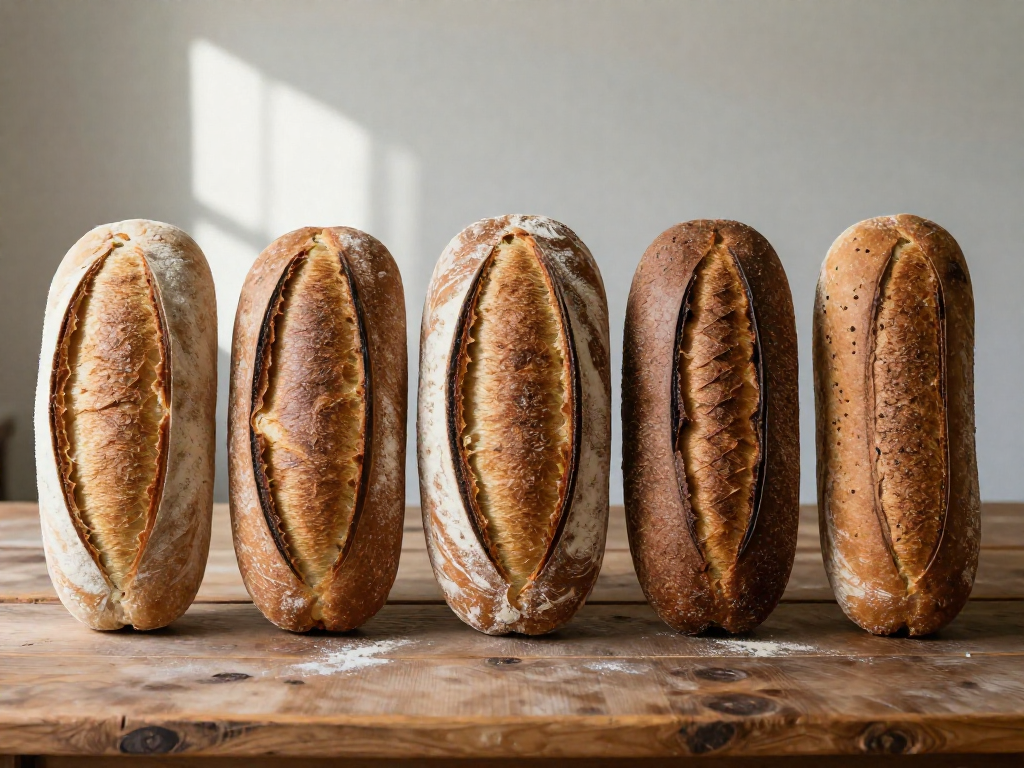
Let’s look at what actually happens when you bake a side-by-side set—same recipe, same starter, same hands, five different flours. The differences in rise, crust, and crumb are immediate and dramatic.
All-purpose flour (around 9–12% protein) turns out a softer, even squat, loaf with a tight, tender crumb. The crust browns to a light gold, and the small, uniform holes make it perfect for sandwiches. Bread flour (12–14% protein) pushes the dough upward: a tall, proud loaf with a deep-brown, blistered crust. Slice it open and you’ll see an open, irregular crumb with glossy, chewy walls—the classic artisan look.
Whole wheat, despite its high protein (13–14%), produces the surprise. The loaf is noticeably shorter and darker, with a tight, dense crumb. That’s because sharp bran particles act like tiny knives, tearing gluten strands as the dough rises (Serious Eats). Rye flour goes even further: expect a very flat, almost brick-like loaf with a dark, firm crust and a gummy, close crumb. It’s intensely earthy but won’t win any height contests. Finally, 00 flour (11.5–13% protein) gives a moderate rise with a silky, pale-gold crust and a fine, velvety crumb—elegant and distinctly Italian.
These aren’t one-off flukes; they’re consistent differences driven by protein quality and gluten-forming potential. Once you see them lined up, you’ll know exactly which flour to grab for your next bake.
Troubleshooting Common Flour-Related Problems
Dense crumb? If your starter is bubbling but the loaf comes out heavy, check your flour. Whole wheat’s 11–15% protein sounds promising, but its sharp bran particles actually slice through gluten strands, sabotaging rise (Serious Eats). Rye is even more prone to density because it contains very little gluten-forming protein. Swap at least half of it for bread flour—your loaf will lift dramatically.
Gummy texture? A wet, gummy interior often points to low-protein flour like all-purpose. It simply can’t hold a high hydration. Mix in bread flour (12–14% protein) for more structure, or hold back on water so the dough isn’t swimming.
Flat loaf that won’t rise? Weak flour equals weak dough. Bread flour’s extra protein builds a strong gluten net to trap gas. If you only have all-purpose, try adding 1 teaspoon of vital wheat gluten per cup to boost strength.
Tight, close crumb? All-purpose predictably gives a more even, sandwich-style crumb. If you’re after open, lacy holes, switch to bread flour and gradually nudge your hydration higher—just do it in small steps.
Pale, anemic crust? Whole wheat and bread flours brown deeply thanks to their protein content. All-purpose loaves may need a slightly longer bake or a final blast of heat to develop color, so don’t pull them out too early.
Sources
- Types of Flour: A Guide — seriouseats.com
- Baking? Here’s Your Guide to Flours — ific.org
- FAQ - Open Crumb and Crust | The Sourdough Journey — thesourdoughjourney.com
- Protein content of flour | The Fresh Loaf — thefreshloaf.com
- Understanding Different Flours and When to Use Them- Kitchen Conundrums with Thomas Joseph — youtube.com
See also
- How to Maintain Your Sourdough Starter
- Understanding Hydration in Sourdough
- Beginner's Sourdough Bread Recipe (with Bread Flour)
- Troubleshooting Common Sourdough Problems
- Whole Wheat Sourdough Recipe for Beginners
Related articles
Baking Stone vs. Dutch Oven for Sourdough: A Beginner's Comparison
Can I use a baking stone instead of a Dutch oven for sourdough?
Jul 28, 2026 · 8 min read
The Only 5 Tools You Really Need for Your First Sourdough Loaf
Start baking sourdough without the clutter and expense. These are the only 5 tools you really need—and the ones you can skip.
Jul 20, 2026 · 3 min read
Dutch Oven vs. Open Bake: Which Sourdough Method Is Best for Beginners?
Dutch oven or open baking with steam for sourdough? Compare ease, cost, and crust so beginners can pick the right method and bake a great loaf.
Jul 14, 2026 · 4 min read