Sourdough Discard: What It Is and What to Do With It
What is sourdough discard and do I have to throw it away?
On this page
What Is Sourdough Discard, Exactly?
Quick answer: Sourdough discard is the portion of starter you scoop out and set aside before you feed it. And no—despite the name, you usually don't have to throw it away.
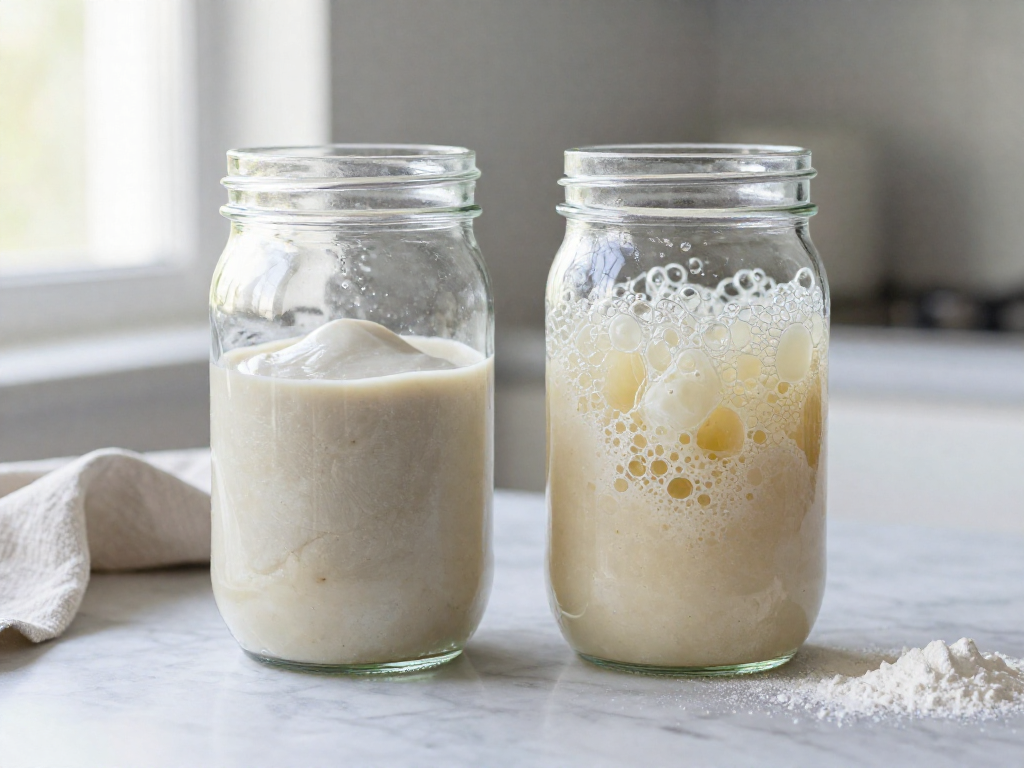
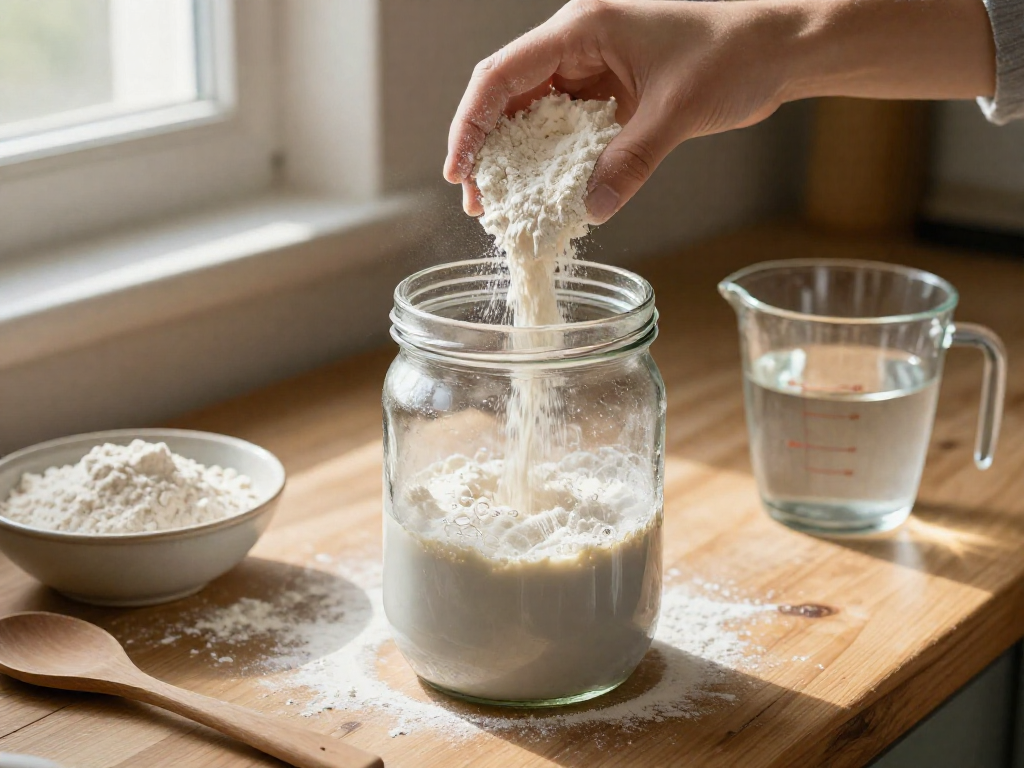
Here's why discarding happens. Every time you feed your starter (a living mix of flour and water with wild yeast and bacteria), you add fresh flour and water. If you fed it without removing any, it would double, then double again, until you had a giant, unmanageable bucket of starter eating through your flour supply. So before each feeding, you remove most of it to keep the amount steady. That removed portion is the discard.
Is it safe to use? Yes. Discard is simply flour and water that has been fermented by the same friendly microbes living in your starter. Fermented is not the same as spoiled. As long as it smells tangy, sour, or yeasty (think yogurt or beer)—and not like nail polish remover, mold, or rot—it's perfectly fine to bake with.
How discard differs from active starter:
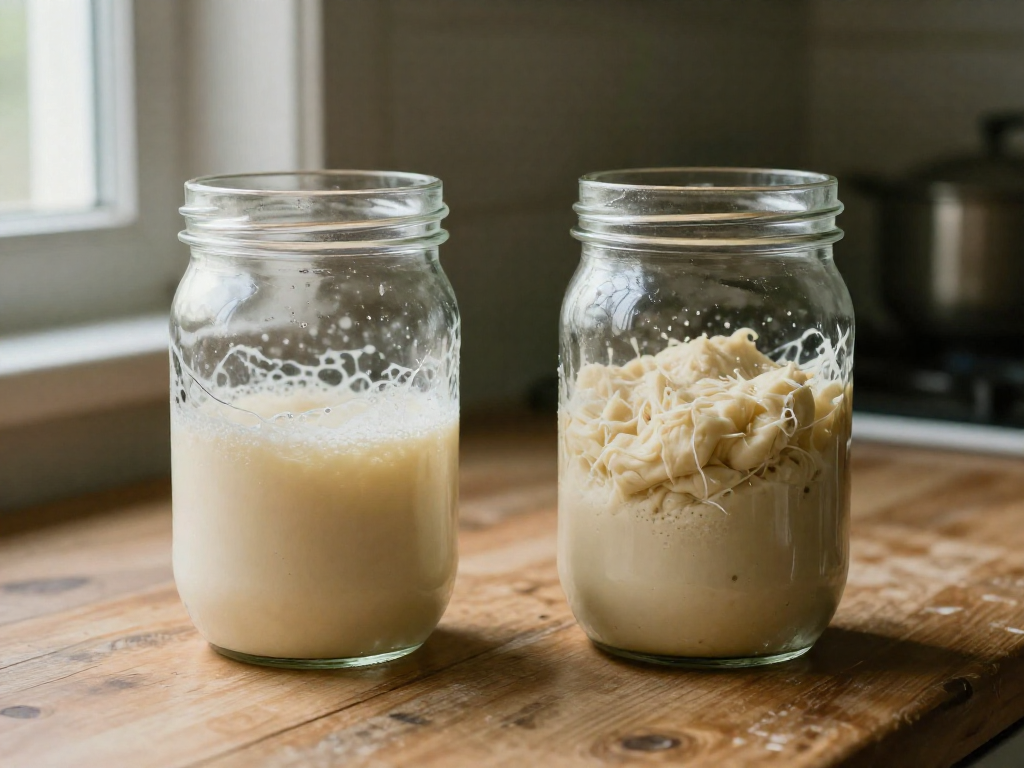
| Active starter (at peak) | Discard | |
|---|---|---|
| Bubbles | Lots, domed and risen | Few, often flat or deflated |
| Rising power | Strong—lifts bread | Weak—won't reliably rise a loaf |
| Flavor | Mildly tangy | More sour, more developed tang |
Because discard has lost most of its rising power, you won't use it to leaven a tall loaf. Instead, it shines in recipes that don't depend on a big rise—like pancakes, crackers, and waffles—where its tangy flavor is the whole point.
Do You Actually Have to Throw It Away?
Short answer: no. Most of the time, the discard you scoop off before feeding your starter is perfectly good and can go straight into a recipe. "Discard" is just the name bakers gave it, not a verdict on whether it's usable.
When you SHOULD throw it out. Toss your discard (and possibly your whole starter) if you see any of these warning signs:
- Fuzzy mold — white, green, or black spots on the surface
- Pink or orange streaks — a sign of harmful bacteria
- A truly off smell — sour and tangy is normal and good; rotten, like nail polish remover gone bad, or genuinely foul is not
If it just smells sharp, vinegary, or boozy and has a thin layer of grayish liquid on top (called hooch — the alcohol your starter produces when hungry), that's all normal. Stir the hooch back in or pour it off, and use the discard.
So why do recipes tell you to discard at all? It's about managing size, not avoiding spoilage. Every time you feed your starter, it grows. If you never removed any, you'd be feeding an ever-larger jar with more and more flour. Discarding keeps your starter small and manageable.
The mindset shift: think of discard as an ingredient sitting in your fridge, not garbage waiting for the bin. Pancakes, crackers, and quick breads are all waiting for it.
How to Store Sourdough Discard
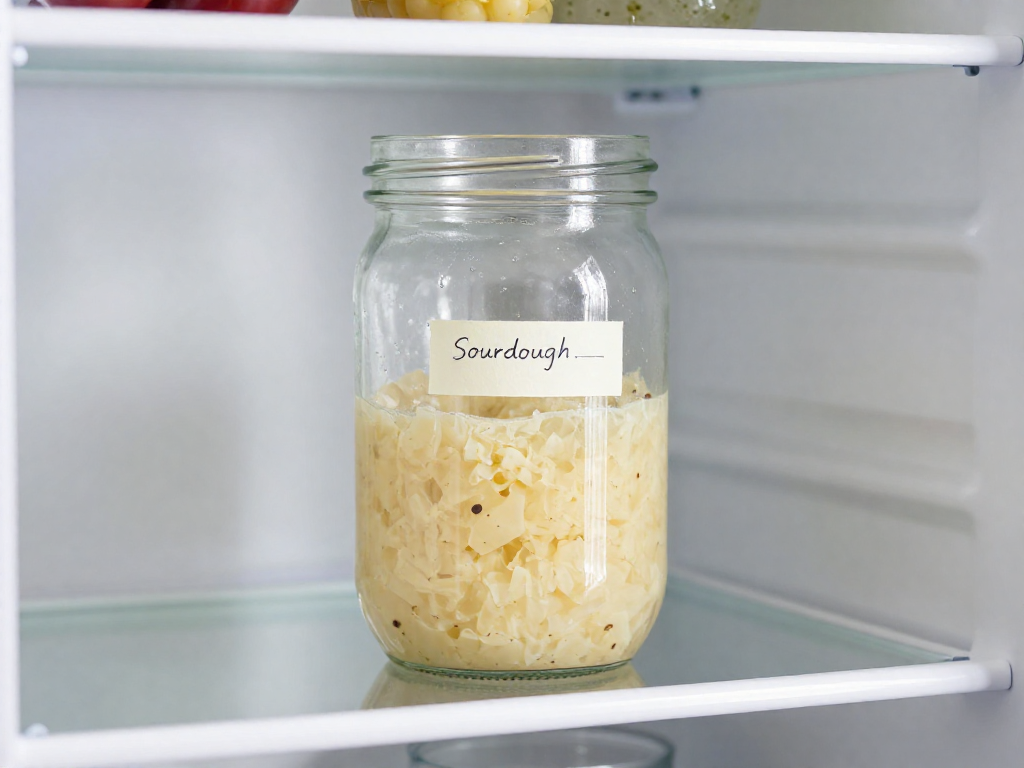
Keep a dedicated jar in the fridge and add your discard (the portion of starter you remove before feeding) to it after each feeding. A clean glass jar with a loose lid works best, since trapped gas needs somewhere to escape. Stir the new discard into the old so everything ages at a similar rate.
In the fridge: Discard keeps for about 1–2 weeks. It's fine to use as long as it smells tangy, sour, or yeasty. Toss it if you see fuzzy mold (white, pink, green, or black spots), or if it smells like nail polish remover and has turned an off color. A dark gray or orange-pink streak is mold, not hooch.
About the hooch: A thin gray or brownish liquid that pools on top is called hooch—it's just alcohol the wild yeast produces when hungry. It's harmless. Simply stir it back in before using. Lots of hooch means your discard is getting old, so use it soon.
Freezing for longer storage: Pour discard into an airtight container or freeze it in ice cube trays (about 30g per cube), then bag the cubes. It keeps for up to 3 months. Thaw overnight in the fridge or on the counter for a couple of hours, stir, and use in any discard recipe.
Tip: Label your jar with the date so you always know how old your discard is.
Easy Beginner Ways to Use Sourdough Discard
The good news: the easiest discard recipes are also the most forgiving. They skip the parts that intimidate beginners—no waiting for your starter to be bubbly and active, and no long rise. Discard here just means the portion of starter you remove before feeding; it can be straight from the fridge, unfed, and a little flat.
Start With No-Rise Recipes
These need zero rising time, so timing mistakes can't ruin them:
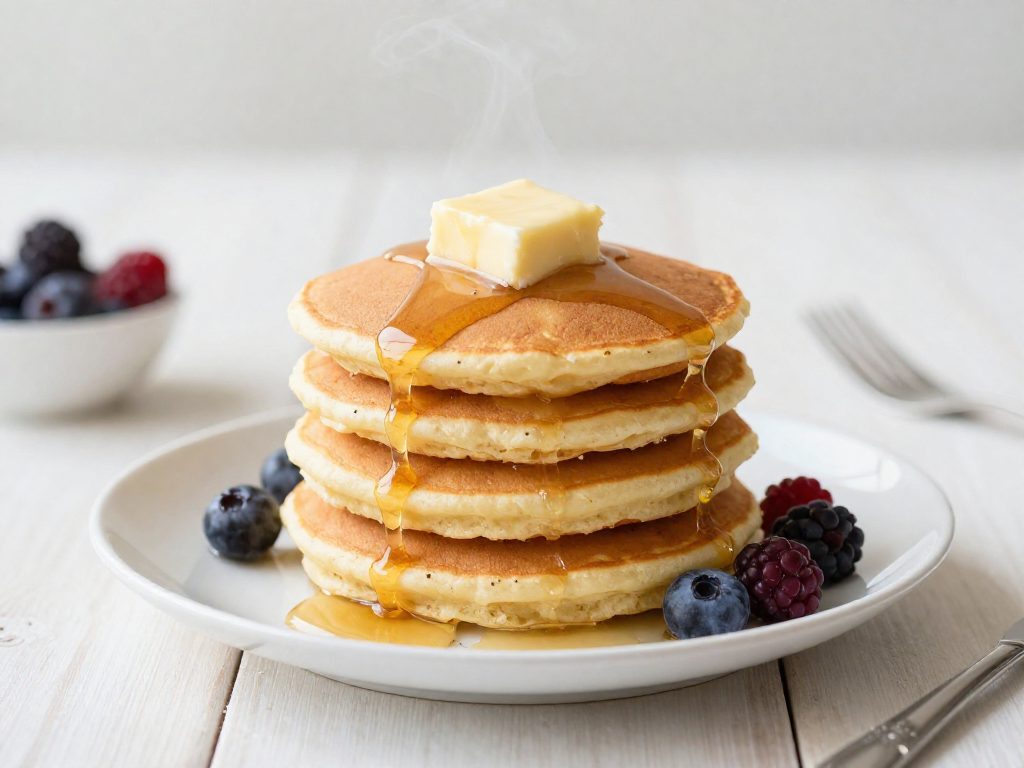
- Pancakes and waffles — the best first project
- Crackers — roll thin, bake crisp
- Quick breads (banana bread, muffins) — leavened by baking soda/powder, not your starter
Because these rely on baking soda or powder for lift, your discard doesn't need to be active. It's there for flavor, not rise.
Why Discard Tastes Good Even When It's Flat
As discard sits, it develops a mild tang (a pleasant sourness from natural acids). That tang adds depth to batters whether or not the starter is bubbly. So an "unimpressive," unfed discard is perfect here—you're using it as a flavor ingredient, like buttermilk.
Savory Options Too
Once you're comfortable, try flatbreads, pizza crust, or biscuits. These give discard a savory home and pair well with the natural tang.
A Simple Starting Recipe: Discard Pancakes
A reliable beginner ratio (makes ~6 pancakes):
| Ingredient | Grams | Cups |
|---|---|---|
| Sourdough discard | 240 g | 1 cup |
| Egg | 1 large | 1 |
| Milk | 120 g | ½ cup |
| Sugar | 12 g | 1 Tbsp |
| Baking soda | 3 g | ½ tsp |
| Salt | 3 g | ½ tsp |
| Melted butter | 28 g | 2 Tbsp |
Whisk wet ingredients, then stir in baking soda and salt last—you'll see the batter puff and bubble slightly. Sensory cue: cook on medium until bubbles form and pop on the surface (about 2–3 minutes), then flip; the second side needs only ~1 minute.
Quick troubleshooting:
- Flat, no bubbles? Baking soda may be old—replace it.
- Gummy center? Heat too high; lower it so the inside cooks before the outside browns.
- Too sour? Use fresher discard or add a pinch more sugar.
The Lazy Trick
You don't even need a recipe. Stir a few tablespoons of discard into almost any batter—muffins, cornbread, even boxed mixes—for a subtle tangy upgrade. Results vary by kitchen and climate, so taste and adjust as you go.
Discard Mistakes Beginners Make
A few simple slip-ups cause most discard disappointments. Here's what to watch for:
- Expecting it to rise like active starter. Discard is the unfed portion of your starter (the part with little active yeast). It adds flavor and tang, but it won't reliably lift a loaf on its own. Use it in recipes with baking soda or baking powder—pancakes, crackers, waffles—not as your only leavening.
- Using discard that's gone too far. Discard kept too long can develop off smells or, worse, mold. Toss it if you see any fuzzy spots, pink/orange streaks, or it smells like nail polish remover. A sharp, sour, vinegary smell is normal; fuzz is not.
- Ignoring the flour and water it adds. Most discard is 100% hydration, meaning equal weights of flour and water. So 100g of discard adds roughly 50g flour and 50g water—subtract those from the recipe so your batter isn't too wet.
- Letting it pile up. Don't hoard jars in the fridge. Use it within about a week, or freeze it in labeled portions for later.
Can You Reduce How Much Discard You Make?
Yes—and the easiest fix is to keep a smaller starter. Here's how:
-
Keep a tiny starter. Maintain just 20 g of starter (about 1 tablespoon) instead of a big jar. Feed it 20 g flour and 20 g water (roughly 2½ tablespoons flour and 4 teaspoons water) and you'll discard almost nothing. A starter this small is plenty—you can grow it the day before a bake by feeding it more.
-
Feed less often. Store your starter in the fridge between bakes (the cold slows it down) and you only need to feed it about once a week instead of daily. Fewer feedings means far less discard.
Combine both and most home bakers end up with little or no discard to deal with—just a healthy starter ready when you want to bake.
See also
- How to Make a Sourdough Starter from Scratch
- How to Feed and Maintain Your Sourdough Starter
- Sourdough Starter Troubleshooting for Beginners
- Easy Sourdough Discard Pancakes Recipe
Related articles
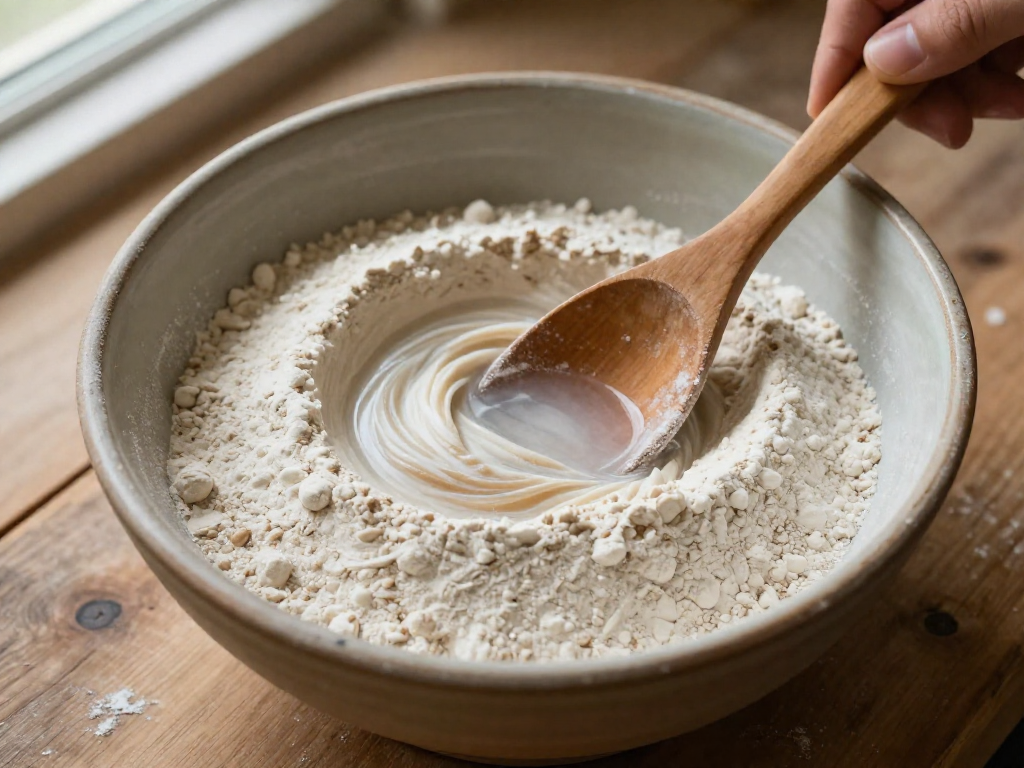
Why a Rye Starter Might Be Your Best Beginner Sourdough Hack
Is a rye sourdough starter easier for beginners? Yes! Learn why rye flour ferments faster, is more forgiving, and how to create your own 100% rye starter with step-by-step instructions, plus tips for using it in any recipe.
Jul 28, 2026 · 8 min read
The Emotional Side of Sourdough: Dealing with Starter Anxiety and Failure
How do I cope with the stress and disappointment when my sourdough starter fails or seems to die?
Jul 20, 2026 · 7 min read
Sourdough Starter Fasting: What to Do When You Go on Vacation
How do I prepare my sourdough starter for a multi-week absence and revive it smoothly?
Jul 20, 2026 · 9 min read