Can You Use Tap Water for Sourdough? Water and Chlorine Explained
Does the water I use affect my sourdough?
On this page
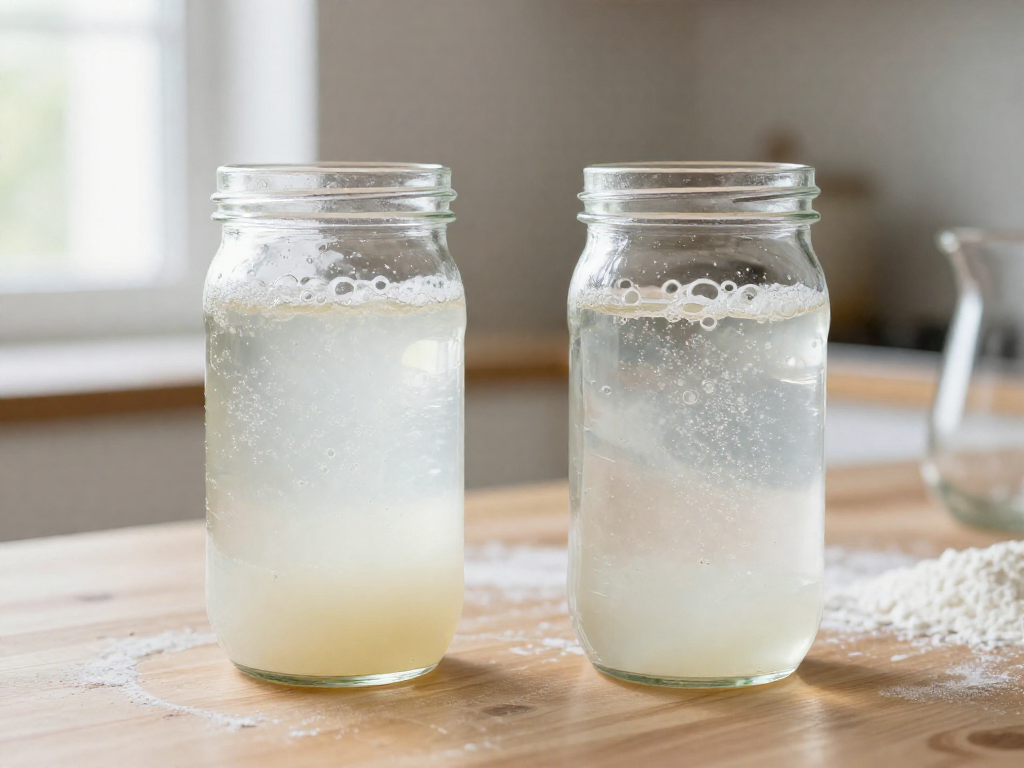
The Short Answer: Can You Use Tap Water for Sourdough?
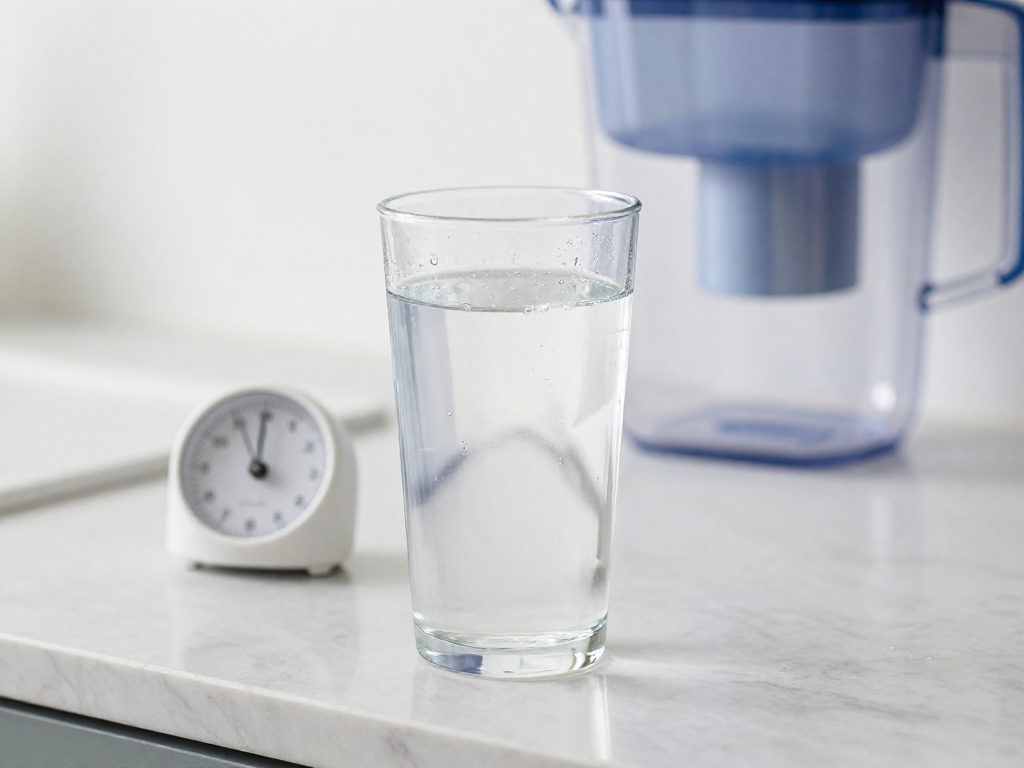
Yes—in most cases, ordinary tap water works perfectly fine for both your sourdough starter (the living mix of flour and water that makes your bread rise) and your dough. If your tap water tastes good enough to drink, it's almost always good enough to bake with. Don't let water worries stall your first loaf.
Here's what actually matters:
- Chlorine is added to most municipal water to kill bacteria. At the low levels found in typical tap water, it rarely harms your starter. As a bonus, chlorine is volatile—leaving water uncovered on the counter for a few hours lets much of it escape.
- Chloramine is the real thing to watch for. It's a longer-lasting disinfectant (chlorine combined with ammonia) that some cities use instead of chlorine. Unlike chlorine, it does not evaporate by sitting out, so it can linger and stress the wild yeast and bacteria in your starter.
- When to worry: only if your starter stays sluggish—not bubbling or rising despite regular feeding with good flour and warm room temperature. Water is one of the last suspects, not the first.
Not sure which your city uses? Check your water utility's annual report, or simply use filtered or bottled water for peace of mind.
How Water Actually Affects Your Starter and Dough
Short version: water can matter, but it's rarely the main reason your bread fails. Temperature and flour usually matter more.
Here's the mechanism. Your starter is a living culture—a community of wild yeast and bacteria that ferment flour and water, producing the gas and acids that make sourdough rise and taste tangy. Those microbes are what you're trying to keep happy.
Tap water often contains chlorine or chloramine, disinfectants added specifically to kill microbes. In high enough doses, they can slow down the very fermentation you depend on—weaker rise, sluggish bubbles, a starter that takes longer to peak.
The key word is can. The amount of disinfectant in most municipal tap water is low, and a mature starter (one you've fed regularly for several weeks) holds a large, established population of microbes that shrugs off small setbacks. A brand-new starter, still building its colony in the first 1–2 weeks, is more fragile and more likely to stall.
So if you're troubleshooting, check your kitchen temperature and flour first. Treat water as a possible factor, not the usual culprit.
Chlorine vs. Chloramine: What's in Your Tap Water
Here's the practical part: both chlorine and chloramine are added to tap water to kill bacteria, but they behave very differently for your sourdough starter (the living mix of flour and water that wild yeast and bacteria grow in).
- Chlorine evaporates easily. Leave a glass or jar of tap water uncovered on the counter for 12–24 hours and most of the chlorine simply gasses off. No special equipment needed.
- Chloramine does not. It's chlorine bonded with ammonia to last longer in pipes, so sitting out won't remove it. If your city uses chloramine, you'll need a different fix (covered in the next section).
Find out which one you have. Check your local water utility's annual water quality report—search "[your city] water quality report" or call the utility. It will list chlorine or chloramine directly.
What about hard vs. soft water? Hard water has more dissolved minerals (like calcium); soft water has fewer. For beginners, this difference is minor and rarely the cause of a flat or gummy loaf, so don't worry about it yet.
This is why bottled or distilled water usually isn't necessary—a simple fix often solves the problem.
Simple Fixes If Your Water Is the Problem
If your starter seems sluggish or your dough never quite comes alive, your water could be the culprit. Here are four fixes, from easiest to most reliable.
1. Let it sit out (easiest, free). Pour the tap water you'll need into an open jar or bowl and leave it on the counter, uncovered, for 12–24 hours. Chlorine is a gas, so it slowly escapes into the air ("off-gasses"). Best for: chlorine. Won't help with chloramine.
2. Boil and cool. Bring the water to a rolling boil for a few minutes, then let it cool to room temperature (around 21–24°C / 70–75°F) before using. This speeds up chlorine removal. Note: boiling does not remove chloramine, a more stable compound many city utilities now use instead of chlorine.
3. Use a carbon filter (most reliable for most homes). A Brita-style pitcher or activated charcoal filter removes both chlorine and chloramine. If your water utility uses chloramine—check their website or annual water report—this is your best everyday option.
4. Know when to switch—and what to avoid. If filtered water still gives you trouble, try bottled spring water, which contains the minerals yeast and bacteria feed on.
Avoid distilled or reverse-osmosis water long-term. It's stripped of minerals, which can leave your starter underfed and sluggish over time.
Results vary by kitchen and climate, so give any change about a week of regular feedings before judging it.
How to Tell If Water Is Really Your Issue
Before you blame your tap water, rule out the more common culprits first. A sluggish starter is usually caused by a cold kitchen (below 70°F/21°C slows fermentation), a weak starter that needs more time to mature, or underfeeding (not enough fresh flour and water to power growth).
Run a simple side-by-side test:
- Take two clean jars and add 30g starter to each.
- Feed both the same way: 30g flour + 30g water. Use tap water in Jar A and filtered water in Jar B.
- Mark the starting height with a rubber band and leave both side by side at the same temperature.
- Check after 4–8 hours.
Reading the results:
- Both rise and double the same way → water isn't your problem; look at technique, temperature, or timing.
- Only the filtered jar rises well → your tap water may be holding your starter back.
What a healthy starter looks like at peak: roughly doubled in size, domed and bubbly on top, with a tangy-but-pleasant smell. Results vary by kitchen and climate, so use these cues as a guide rather than a guarantee.
See also
- How to make a sourdough starter from scratch
- Why is my sourdough starter not rising? Troubleshooting guide
- Best flour for beginner sourdough
- Sourdough hydration explained for beginners
- Why is my sourdough loaf dense or gummy?
Related articles
Baking Stone vs. Dutch Oven for Sourdough: A Beginner's Comparison
Can I use a baking stone instead of a Dutch oven for sourdough?
Jul 28, 2026 · 8 min read
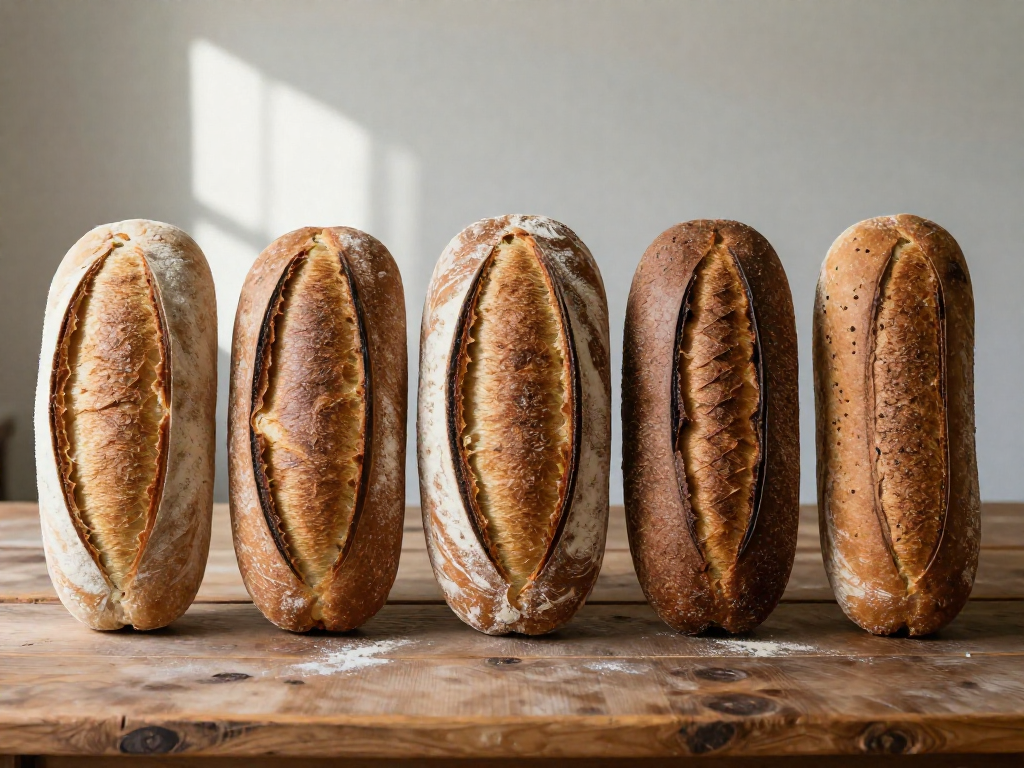
Flour Types for Sourdough: A Visual Guide to Protein Content and Results
How do different flours affect sourdough bread, and what do the results look like side by side?
Jul 20, 2026 · 11 min read
The Only 5 Tools You Really Need for Your First Sourdough Loaf
Start baking sourdough without the clutter and expense. These are the only 5 tools you really need—and the ones you can skip.
Jul 20, 2026 · 3 min read