PlantNet Plant Identification

Click to download now, finish the installation quickly, and directly unlock the "all-round experience"
About This App
🏆 Expert Verdict & Overview
PlantNet Plant Identification transcends its Education category classification, standing as a premier example of practical, decentralized learning. This app neatly solves a fundamental gap in knowledge access by providing instant botanical identification through computer vision. However, its true genius lies in its dual nature as both a powerful learning tool and a massive, crowdsourced citizen science platform. By leveraging user contributions to expand its database, PlantNet fosters a tangible connection between individual curiosity and global scientific progress, setting a high bar for educational technology.
🔍 Key Features Breakdown
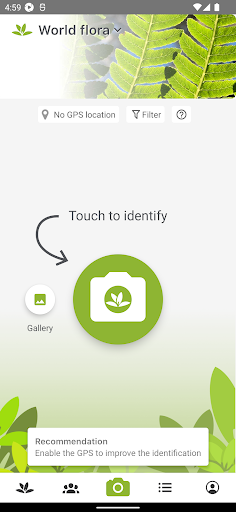
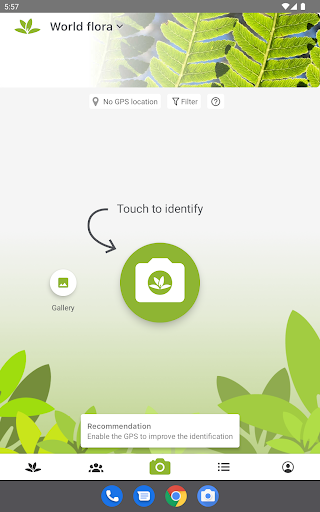
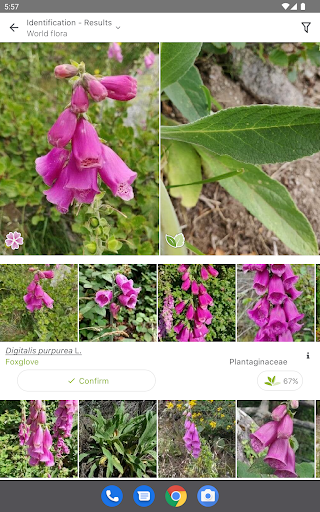
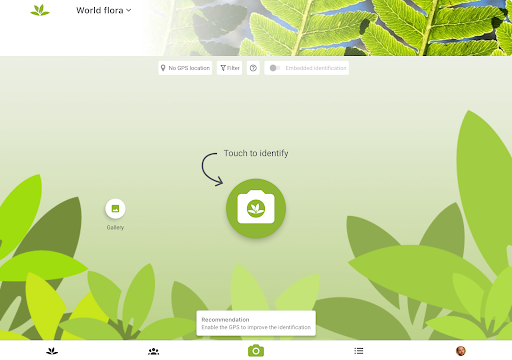
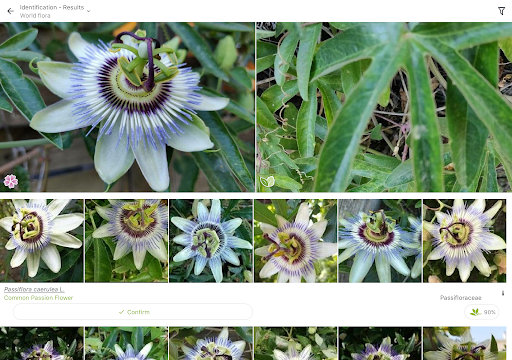
- Visual Plant Recognition: Solves the core problem of plant identification for non-experts by allowing users to simply photograph a leaf, flower, or fruit for instant analysis, providing answers where traditional field guides are intimidating or unavailable.
- Crowdsourced Database & Citizen Science: Addresses the monumental task of cataloging global biodiversity by incorporating verified user contributions. This creates a self-improving system where the app's accuracy and scope increase with each use, benefiting both the individual and the scientific community.
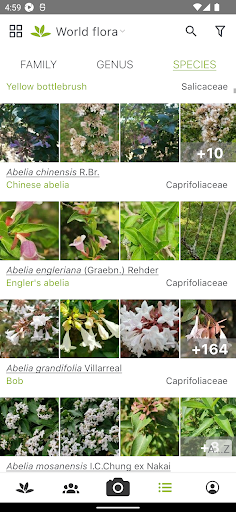
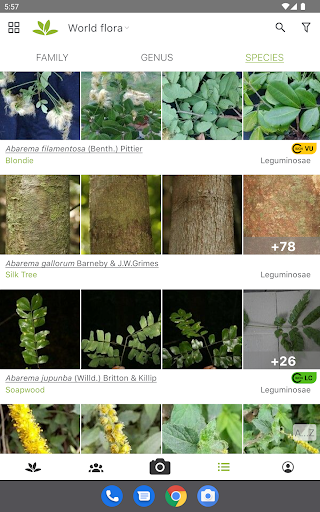
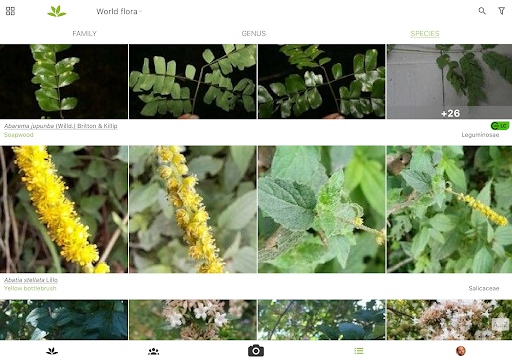
- Multi-Flora & Filtered Identification: Tackles the challenge of searching within an overwhelming 20,000-species database. Users can search across all floras at once or narrow results by family/genus, significantly improving result relevance and user confidence.
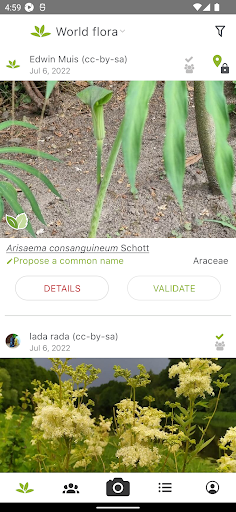
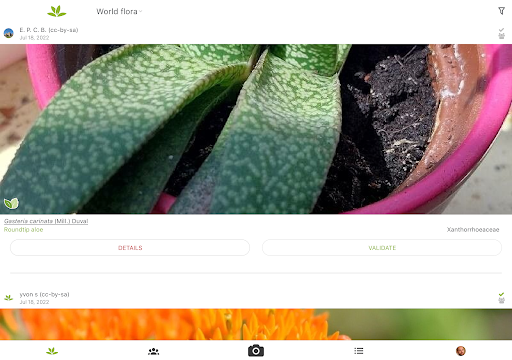
- Observation Mapping & Validation System: Solves the issue of data trustworthiness by incorporating a skill-weighted review system. This gamifies expert participation, ensures database quality, and lets users visualize and track their own botanical explorations.
- Web Version Integration: Provides continuity and accessibility. Users can start an observation on a mobile device and later manage or review their catalog on a larger screen, enhancing the research and learning workflow.
🎨 User Experience & Design
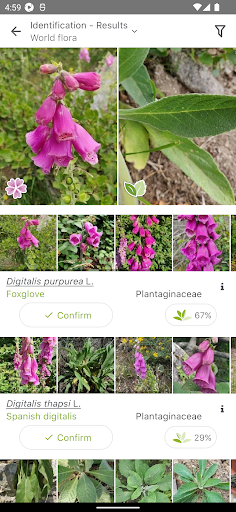
The UI prioritizes functionality over flare, which is appropriate for an educational tool. The primary interaction—taking a photo—is effortless. The results are presented clearly, with key characteristics, confidence scores, and community-curated galleries. For an Education app, the flow from question (what is this plant?) to answer and then to deeper learning (factsheets, galleries) is intuitive. However, the emphasis on proper organ photography (flower vs. leaf) requires clear user education within the app, a need it meets through descriptive text. The overall UX successfully balances simplicity for casual users with powerful tools for enthusiasts.
⚖️ Pros & Cons Analysis
- ✅ The Good: Unparalleled utility in transforming a smartphone into a powerful botanical field guide, making nature exploration accessible to everyone.
- ✅ The Good: Genuinely impactful citizen science model that leverages user engagement for tangible ecological and scientific benefits.
- ✅ The Good: Community-driven validation system that maintains high data quality and encourages accurate contributions.
- ❌ The Bad: The accuracy is inherently dependent on user-submitted photo quality and the current scope of its database, leading to potential misidentifications with obscure or uncataloged species.
- ❌ The Bad: The sheer scope of the app, while a strength, could overwhelm casual users who are not guided toward the specific "wild plant" focus that is most valuable to the project.
🛠️ Room for Improvement
Future iterations could introduce a guided tutorial for first-time users, emphasizing best practices for capturing identifiable photos. Implementing a basic offline mode for cached common plants would enhance usability in areas with poor connectivity, a common scenario for field work. While a "cultivated plants" disclaimer exists, a more robust garden/ornamental flora filter or collaboration with gardening apps could satisfy that high-demand use case without diluting the core scientific mission. Lastly, a more visual tutorial on distinguishing plant parts (e.g., "photograph this part") could reduce the volume of unidentifiable submissions.
🏁 Final Conclusion & Recommendation
PlantNet is unequivocally recommended for nature enthusiasts, hikers, gardeners, students, and educators. Its primary target audience is anyone curious about the natural world who wishes to move from passive observation to active identification and contribution. It is a must-have for students of botany, ecology, or environmental science. The final verdict is that PlantNet is not merely an app; it is a revolutionary tool that democratizes botanical knowledge and successfully harnesses collective public interest for meaningful scientific progress. For its purpose, it is arguably best-in-class.
Best Similar Apps