ParkWhiz -- Parking App


Click to download now, finish the installation quickly, and directly unlock the "all-round experience"
About This App
🏆 Expert Verdict & Overview
ParkWhiz -- Parking App operates as a specialized utility within the overcrowded Maps & Navigation category, targeting the often-overlooked critical pain point of destination parking. It transforms a traditionally stressful, last-minute scramble into a streamlined, predictable transaction. By focusing on providing advance reservations, transparent pricing, and digital access, ParkWhiz distinguishes itself as more than a map feature; it's a pre-emptive destination management tool for urban drivers and commuters.
🔍 Key Features Breakdown
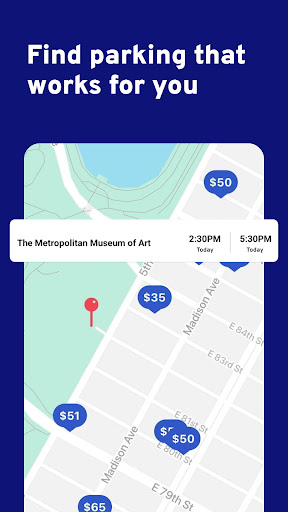
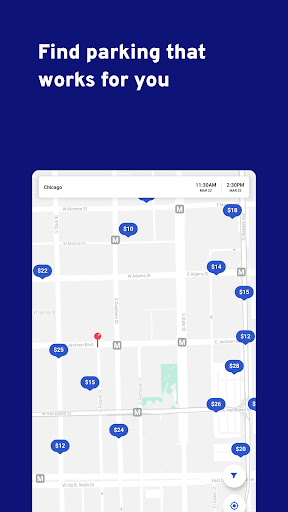
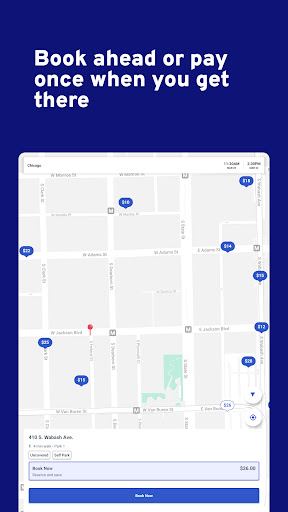
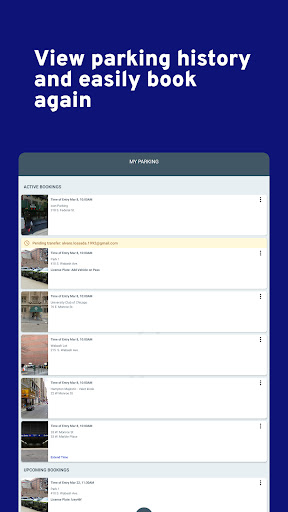
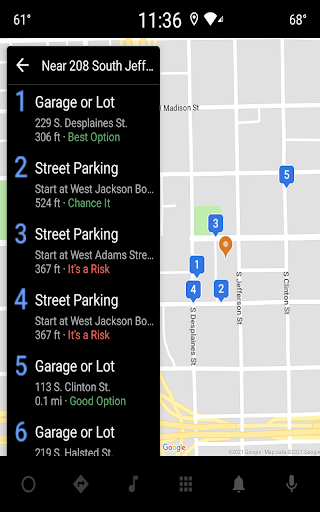
- Nationwide Parking Inventory Search: Solves the core problem of uncertainty by providing a single interface to view thousands of off-street parking options across multiple cities, eliminating the need for frantic, block-by-block searches.
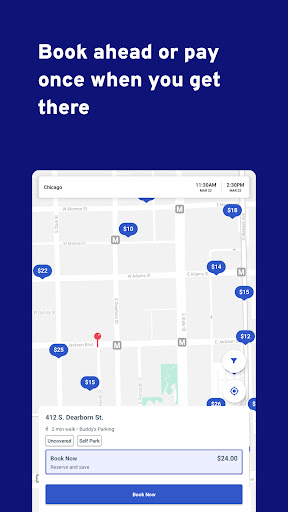
- Price Comparison Engine: Directly addresses cost anxiety by allowing users to instantly compare rates for nearby facilities, empowering data-driven decisions to secure the best value, often at significant discounts versus drive-up rates.
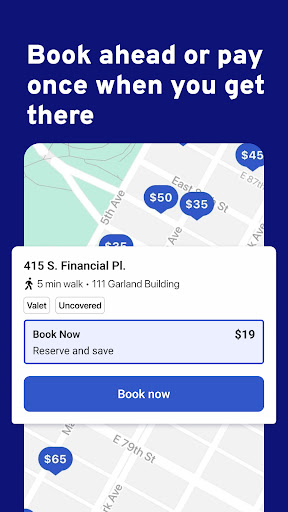
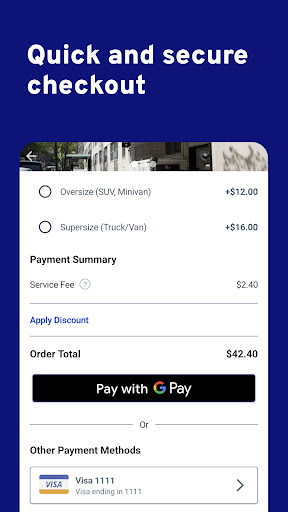
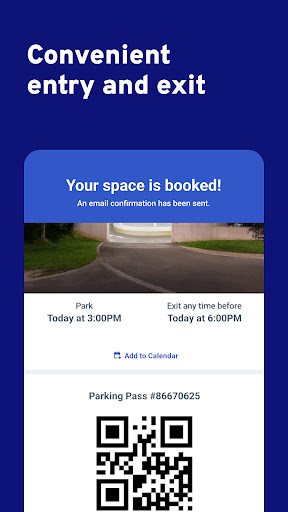
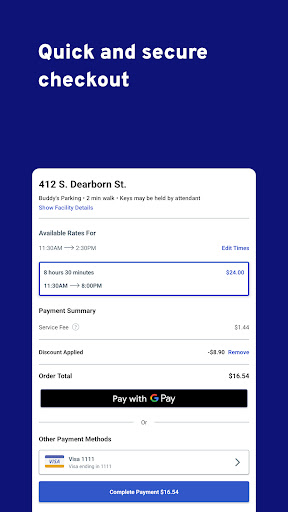
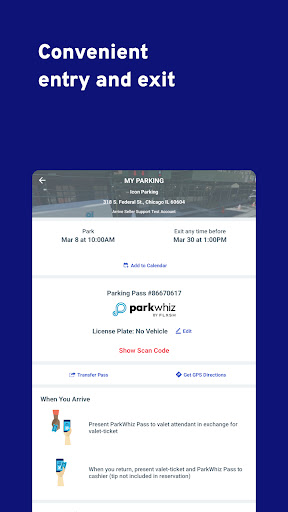
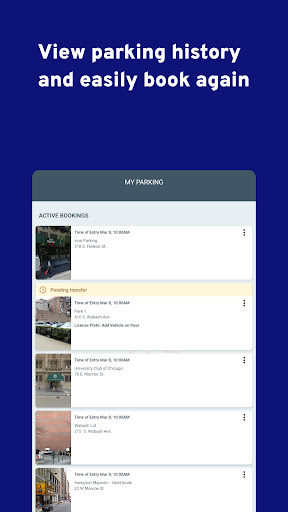
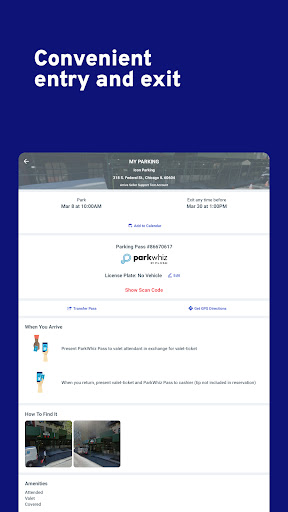
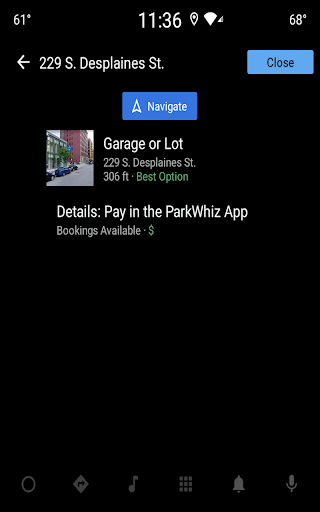
- Instant Booking & Mobile Pass: Reduces friction at arrival by enabling immediate reservation confirmation and storing a digital parking pass on the user's device. This replaces the need for cash, physical tickets, or uncertain gate interactions.
- Multi-Category Destination Support: Acknowledges diverse user needs by curating parking for distinct scenarios like airports, events, daily commuting, and business centers, making it a versatile tool for planning any trip.
🎨 User Experience & Design
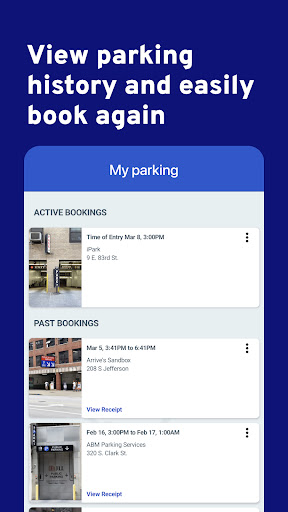
For a Maps & Navigation-adjacent app, the core UX principle is clarity under time pressure. ParkWhiz's design appears to prioritize function: a straightforward search-by-address or browse-by-map interface leading to a clear list of comparable options. The booking flow is described as "instant," suggesting minimal steps, which is critical for users who may be booking en route. The use of a mobile pass as the access credential is a modern, user-centric touch that eliminates physical hassles. The interface likely follows standard material design patterns for the category, ensuring familiarity, but its true test is performance during high-stress moments like navigating to an unfamiliar arena minutes before an event.
⚖️ Pros & Cons Analysis
- ✅ The Good: Offers substantial potential savings (up to 50%) through pre-booking and aggregated pricing, directly impacting the user's wallet.
- ✅ The Good: Provides a wide, clearly organized selection of off-street parking, converting urban chaos into manageable choices.
- ✅ The Good: Features human-operated customer service, a critical safety net for parking issues where automated systems often fail.
- ❌ The Bad: Coverage is inherently limited to partner garages in supported metropolitan areas, offering no solution for street parking or in smaller towns.
- ❌ The Bad: As a booking intermediary, users are dependent on the accuracy of garage information and the reliability of third-party operators, which can lead to mismatched expectations.
🛠️ Room for Improvement
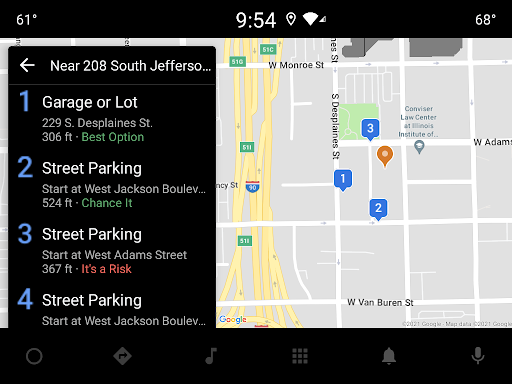
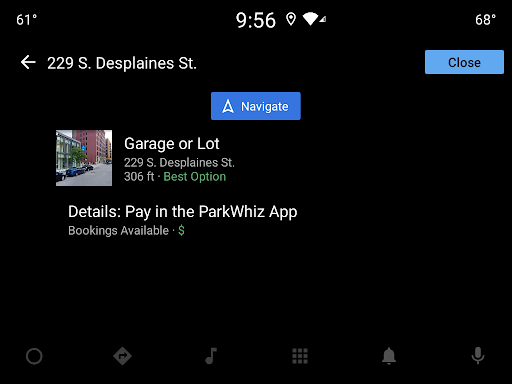
To deepen its value within the navigation ecosystem, ParkWhiz should explore deeper integration with mainstream map apps (e.g., Google Maps, Apple Maps) to surface bookable parking options directly within route planning. Implementing dynamic pricing alerts or a watchlist feature for frequent destinations would add proactive utility. Expanding the "mobile pass" concept to include in-app navigation directly to the chosen garage's entrance, and integrating real-time traffic data to adjust estimated time of arrival, would create a truly seamless "park-to-door" experience.
🏁 Final Conclusion & Recommendation
ParkWhiz is highly recommended for urban commuters, business travelers, and event-goers in its supported cities who prioritize cost certainty and convenience over spontaneous, on-the-street parking hunts. It is less suited for rural drivers, those exclusively seeking free street parking, or users in unsupported regions. Ultimately, it excels at its primary function: transforming parking from a stressful gamble into a planned, paid-for commodity, making it an invaluable tool for navigating modern city driving.
Best Similar Apps