
UrbanSitter: Find Child Care
Click to download now, finish the installation quickly, and directly unlock the "all-round experience"
About This App
🏆 Expert Verdict & Overview
UrbanSitter: Find Child Care positions itself as a comprehensive marketplace solution within the Parenting technology landscape, directly tackling one of the most critical and stressful challenges for modern families. It transcends a basic babysitter directory by weaving together modern gig-economy mechanics with a community-vetted, trust-first approach. The app aims to be a holistic hub for all household care needs, from last-minute sitters to long-term nannies and tutors.
🔍 Key Features Breakdown
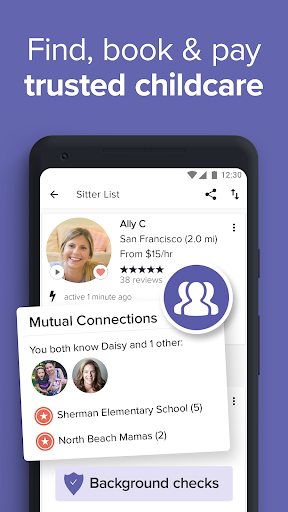
- Multi-Layered Trust & Safety Verification: Solves the foundational user problem of security by mandating annual background checks and manual review by a Trust & Safety team, providing parents with a baseline of confidence before making contact.
- Community & Repeat-Hire Transparency: Directly addresses the "social proof" gap by showcasing which sitters are repeatedly hired by families within the user’s own school or neighborhood networks, leveraging local reputation as a powerful trust signal.
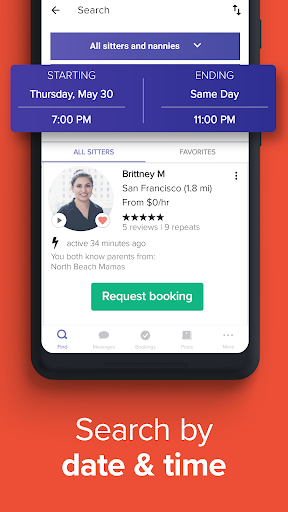
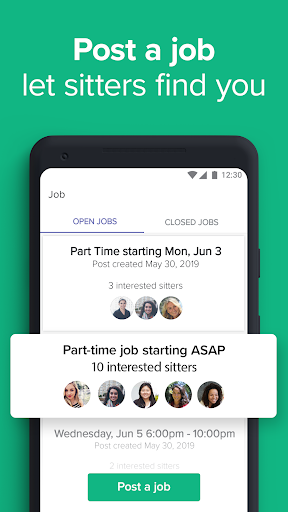
- All-in-One Booking & Payment Suite: Streamlines the entire process from search to payment within a single app, removing friction points like cash payments, scheduling coordination across platforms, and follow-up communication.
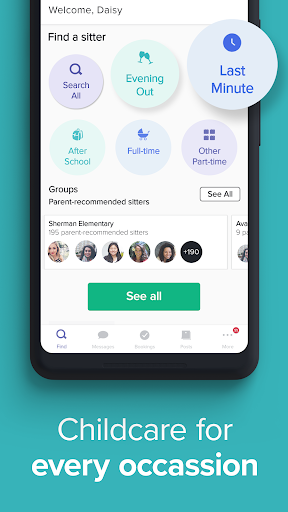
- Multi-Service Aggregation Platform: Solves the problem of app fatigue for families with diverse needs by consolidating searches for babysitters, nannies, pet care, senior care, and tutors into one interface.
- Granular Caregiver Filtering: Empowers parents to find highly specific solutions (e.g., a driving, CPR-certified, Spanish-speaking tutor) rather than settling for a generic match, directly addressing niche but common care requirements.
🎨 User Experience & Design
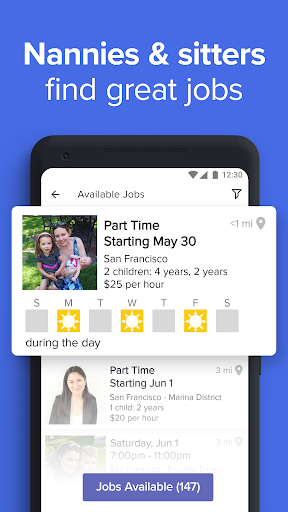
The presumed UI/UX for an app in the Parenting category must prioritize clarity, speed, and reassurance above all else. The described features suggest an interface designed for urgent, high-stakes decision-making. A successful design would surface critical trust indicators (background check badges, repeat-family counts, response times) immediately within search results, minimizing clicks to key information. The workflow from posting a job to booking and payment must be exceptionally linear and intuitive, as parents often operate under time pressure and emotional stress. Visual design should lean towards clean, calm, and professional aesthetics to reinforce the app’s credibility and reduce user anxiety.
⚖️ Pros & Cons Analysis
- ✅ The Good: Robust, multi-faceted approach to safety and trust-building, which is non-negotiable in this category.
- ✅ The Good: Powerful integration of local community networks provides a unique and highly valuable layer of validation.
- ✅ The Good: Comprehensive service range addresses multiple household pain points in a single platform.
- ✅ The Good: Transparent, caregiver-friendly policy of 100% earnings retention can attract and retain a higher-quality talent pool.
- ❌ The Bad: Effectiveness and caregiver density are heavily dependent on geographic location and local network adoption, potentially leading to a "ghost town" experience in some areas.
- ❌ The Bad: The annual background check, while good, may not feel frequent enough for some parents compared to services offering real-time or continuous monitoring.
- ❌ The Bad: The sheer volume of services offered could, if not carefully designed, lead to interface clutter or a diluted core experience for parents solely seeking child care.
🛠️ Room for Improvement
Future updates could focus on deepening the trust infrastructure. Implementing optional video profile introductions would allow parents to gauge caregiver demeanor. A verified "Skills & Certifications" badge system, where caregivers upload and verify credentials like CPR cards, would add another tangible layer of assurance. For the caregiver side, enhancing scheduling tools with calendar sync and advanced availability blocking would improve their experience. Finally, introducing a structured, post-booking feedback mechanism beyond simple star ratings (e.g., prompt-based reviews about punctuality, engagement, etc.) would create even richer data for future parents.
🏁 Final Conclusion & Recommendation
UrbanSitter is highly recommended for urban and suburban parents, particularly those integrated into local school or neighborhood communities, who value a blend of technological convenience and community-vetted trust. It is ideal for families with variable care needs beyond just babysitting. The app's strength lies in its attempt to systematize the age-old "asking for a recommendation" process. However, its absolute utility is contingent on local network effects. For parents in well-served areas, it is a powerful tool; for those in less active regions, its core value proposition may be diminished. The final verdict is a well-executed, trust-centric platform that successfully digitizes and scales the process of finding reliable household help.
Best Similar Apps