MyPainSolution

Click to download now, finish the installation quickly, and directly unlock the "all-round experience"
About This App
🏆 Expert Verdict & Overview
MyPainSolution presents itself as a specialized, all-in-one digital health platform squarely focused on modernizing and streamlining the surgical recovery journey. Within the Medical category, it distinguishes itself by targeting a specific, high-stress use case: elective peri-operative care. Rather than being a general wellness app, it promises to fill a crucial gap by integrating clinical guidance, remote patient monitoring, and therapeutic support into a single, patient-facing tool, aiming to transition care from a purely hospital-centric model to a more continuous, home-based experience.
🔍 Key Features Breakdown
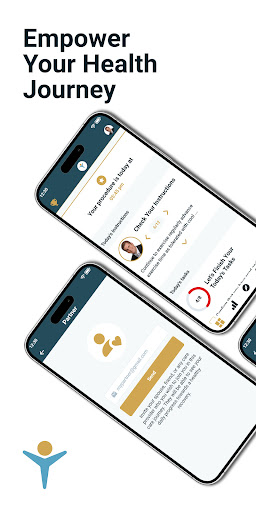
- Telehealth Consultations & Education: Solves the core problem of access and anxiety by providing pre- and post-operative guidance remotely, reducing the need for burdensome in-person visits.
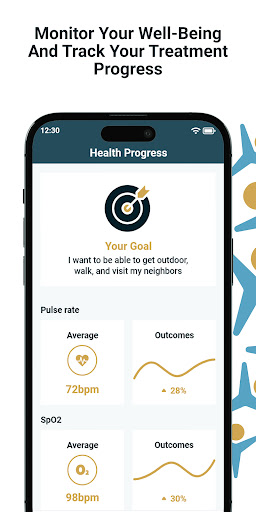
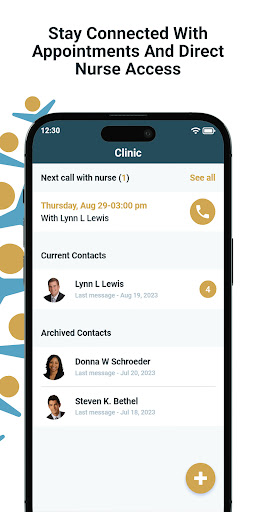
- Remote Postoperative Monitoring & Nurse Support: Directly addresses patient vulnerability after discharge. The real-time transmission of data (like SpO2) to a dedicated professional creates a safety net, potentially flagging complications early.
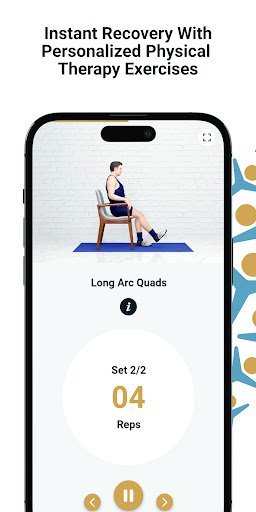
- Virtual Physical Therapy: Tackles the critical challenge of adherence and accessibility in post-surgical rehab. By providing guided, tailored sessions at home, it lowers barriers to consistent recovery exercise.
- Bluetooth Oximeter Integration: Converts a standard health device into a connected care tool. It automates vital sign logging, providing objective data for both the patient and care team, moving beyond subjective pain reporting.
- Google Fit Synchronization: Addresses the need for holistic progress tracking. By incorporating general activity data, it contextualizes recovery within daily life, offering motivational feedback.
🎨 User Experience & Design
For a patient potentially in pain or under medication post-surgery, simplicity and clarity are non-negotiable. A successful UX in this Medical context demands an interface that is intuitive, calming, and requires minimal cognitive load. Information architecture must prioritize critical actions (e.g., connecting a device, contacting a nurse, starting a therapy session) above all else. Visual design should favor high contrast, legible typography, and clear iconography to ensure accessibility for users who may be elderly or visually fatigued. The true test of its UX will be how effortlessly a user in recovery can navigate from feeling concerned to receiving actionable support.
⚖️ Pros & Cons Analysis
- ✅ The Good: Comprehensive, end-to-end focus on a single medical journey reduces app-switching and confusion.
- ✅ The Good: Integration of hardware (oximeter) with software and human support (nurse) creates a powerful, multi-layered care model.
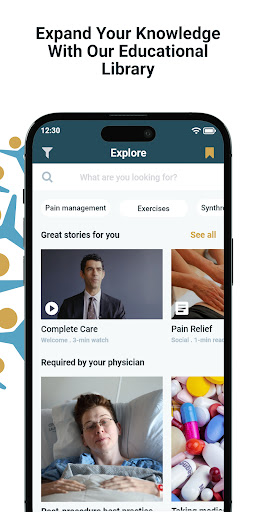
- ✅ The Good: Emphasis on education empowers patients, potentially leading to better outcomes and reduced readmission rates.
- ❌ The Bad: Value is heavily dependent on the quality and responsiveness of the human support network (nurses, therapists) behind the app.
- ❌ The Bad: Requires patient ownership of specific Bluetooth hardware, adding cost and a potential point of technical friction.
- ❌ The Bad: Effectiveness is contingent on stable internet connectivity, which may be a barrier for some users during recovery.
🛠️ Room for Improvement
Future updates should consider: 1) A "Caregiver Mode" with a simplified view to allow family members to assist with monitoring and reminders. 2) Offline functionality for core educational content and exercise libraries to ensure access is never lost. 3) Proactive, AI-driven alerts that analyze trends in patient data (steps, SpO2) to suggest behaviors or flag anomalies before they become urgent. 4) Deeper integration with hospital Electronic Health Records (with patient consent) to personalize the care pathway based on the specific surgical procedure.
🏁 Final Conclusion & Recommendation
MyPainSolution is highly recommended for individuals undergoing planned elective surgeries (e.g., orthopedic, cardiac, or general surgical procedures) who are tech-comfortable and seek an active, informed role in their recovery. It is particularly valuable for those in remote areas or with limited mobility post-discharge. The app's strength lies in its cohesive vision for remote surgical aftercare. However, users must remember it is an adjunct to, not a replacement for, traditional medical care, as its disclaimer correctly notes. For the right patient, it represents a significant step toward more personalized, convenient, and continuous healthcare.
Best Similar Apps